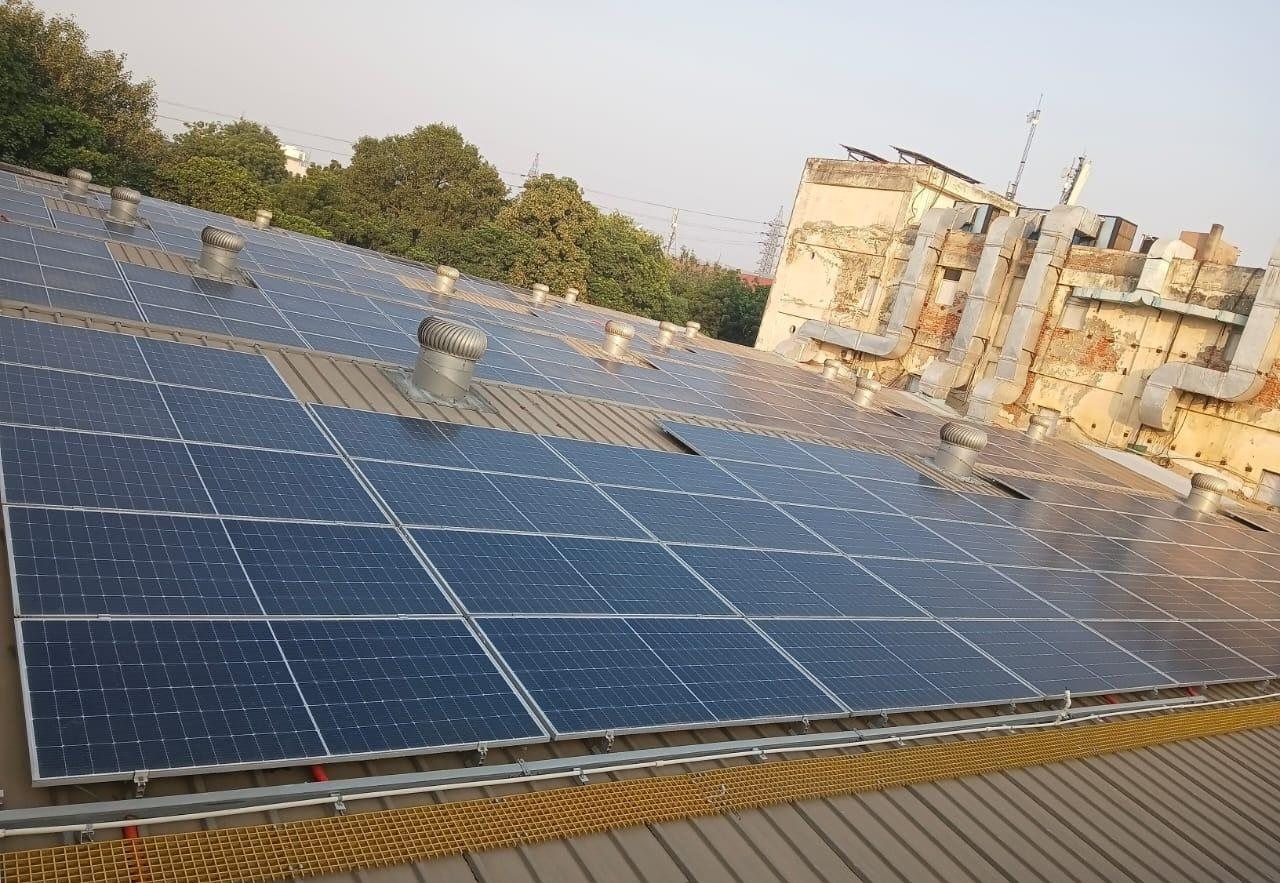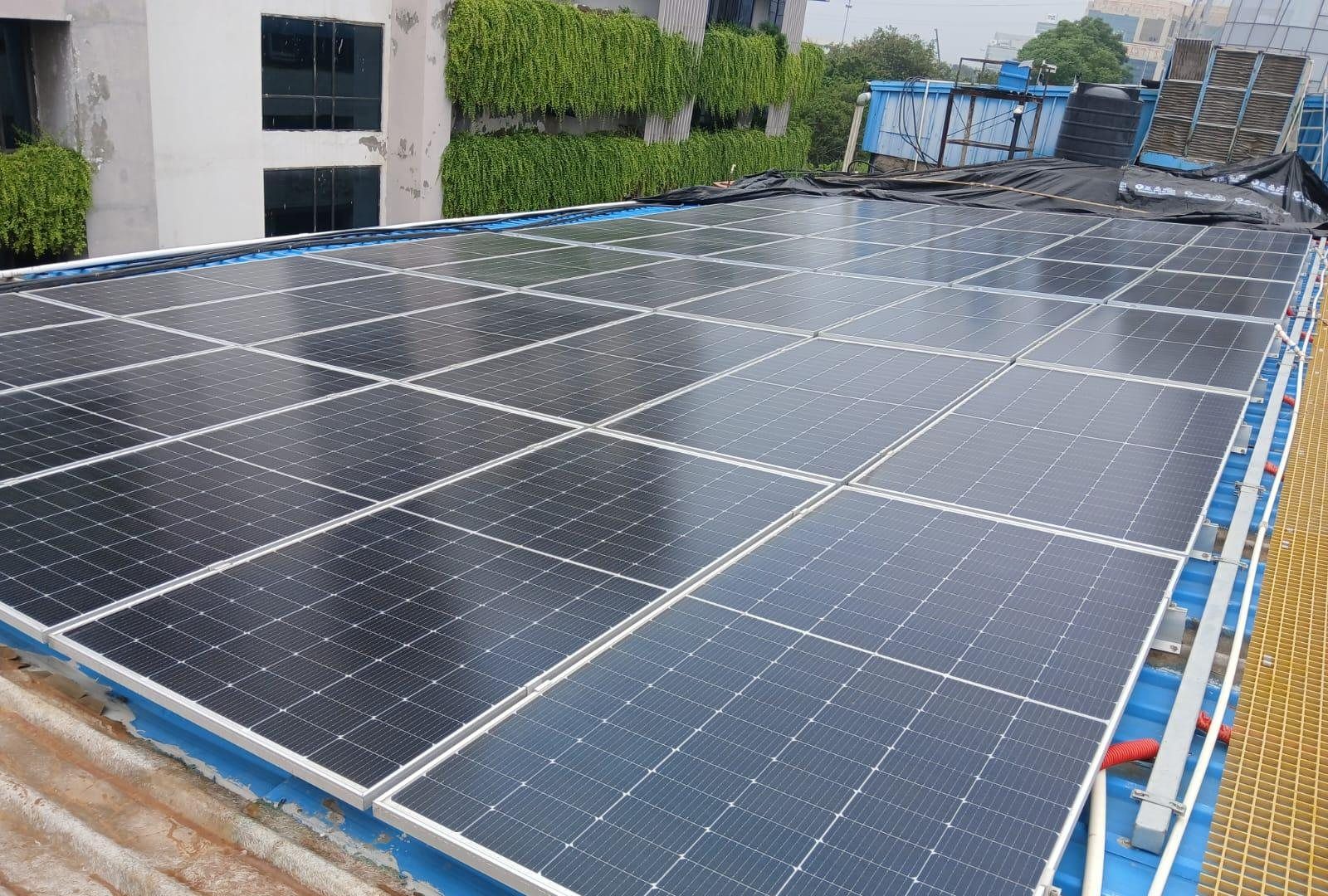

The 500 kW line and gross metering
Haryana’s rooftop rules sit in HERC’s Rooftop Solar Grid Interactive Systems Based on Net Metering Regulations, 2019. The net-metering ceiling in practice is 500 kW, which the distribution company links to the Electricity (Rights of Consumers) Rules, 2020.1
| Under gross metering | What HERC directed |
|---|---|
| Generation | The full 1,412 kW output is injected into the grid and paid at a tariff HERC determines.1 |
| Consumption | Billed separately at prevailing retail tariffs.1 |
| Timeline | The distribution company must sign interconnection agreements, install automated meter reading and synchronise within 45 days of the application.1 |
HERC issued a draft second amendment to the rooftop regulations in mid-2025, covering energy accounting and surplus power compensation, and passed a final order on it on 30 October 2025. HERC dismissed a review petition against that order on 22 September 2026.67 We have not seen what the final text changed, so ask HERC or your distribution company for the consolidated regulations before you model surplus power. The 500 kW ceiling was still cited as in force in September 2026.1
Green energy open access: amended in 2025, tested in 2026
HERC’s Green Energy Open Access Regulations date from April 2023, and an amendment was approved on 25 February 2025. After the amendment, a consumer with a sanctioned load of 100 kW or more, through a single connection or several in the same electricity division, is eligible.23
In April 2023, in the order approving the regulations, HERC said it would not levy reliability charges and that no charges beyond those in the regulations would apply to green energy open access consumers.4
In October 2026 HERC decided a petition by a steel maker with units in Sonipat that draws on a 9 MW captive solar plant in Rewari. Its units share feeders with consumers who do not want open access, and the procedure generally asks consumers on an independent feeder to apply collectively. HERC held that an eligible consumer cannot be refused green energy open access only because its feeder neighbours decline a collective application, provided it accepts the system constraints and power-cut limits that apply.5
Design around the 500 kW line
In Haryana, 500 kW is the design line. A plant at or below it can use net metering and offset your retail tariff unit for unit. A plant above it goes to gross metering, where you are paid a regulator-determined tariff for all generation and still buy your consumption at retail. The economics are different, so the feasibility study has to price both.1
Do not size a larger plant on the strength of your load sanction. HERC said in September 2026 that sanctioned load alone gives no right to net metering, and that approvals should be in place before you invest.1
For a Gurugram, Manesar or Bahadurgarh factory with a big load and limited roof, open access for the remainder is worth pricing, and HERC’s October 2026 order shows a shared feeder need not block it.5
Confirm with DHBVN or UHBVN
Questions to put to the distribution company in writing before you finalise the design:
- Technical feasibility approval and letter of approval for your project before you buy equipment.
- What the final order of 30 October 2025 on the second amendment to the rooftop regulations changed for energy accounting and surplus power.
- The gross-metering tariff HERC has determined for the year of your commissioning.
- Whether your feeder is independent or shared, if you are considering open access.
- The distribution company’s current wheeling and banking terms for green open access.
Sources
Checked 4 Nov 2026. Where a source is trade press, the regulator’s own order or regulation text is the authority; confirm the version in force for your connection.
- SolarQuarter: HERC rejects 1,412 kW net metering relaxation, orders gross metering for a university solar project in Haryana (September 2026) (opens in a new tab)
- Renewable Watch: HERC notifies Green Open Access Regulations (April 2023) (opens in a new tab)
- SolarQuarter: HERC amends green energy open access rules, 2025 (opens in a new tab)
- Saur Energy: HERC approves green energy open access rules, ensures no reliability charges (April 2023) (opens in a new tab)
- SolarQuarter: HERC allows individual consumers green energy open access without collective applications (October 2026) (opens in a new tab)
- SolarQuarter: HERC dismisses rooftop solar review petition against its 30 October 2025 order (September 2026) (opens in a new tab)
- Mercom: Haryana issues draft amendment to rooftop solar rules (2025) (opens in a new tab)