
Plastics & polymers
Solar for moulding, extrusion and compounding plants
A line that runs round the clock buys most of its power after dark, so a rooftop plant covers a slice of the bill and never all of it. We size that slice from your hourly load and build it on metal sheet or RCC roofs.
Polymer clients, states and roofs
- Clients
- Samruddhi Industries
- Ronch Polymer
- Plastiblends
- Arihant Gold Plast
- States
- Maharashtra · Dadra and Nagar Haveli and Daman and Diu · Uttarakhand · Gujarat · Andhra Pradesh
- Installation types
- Metal sheet roof · RCC · O&M takeover
- Most recent commissioning
- Sep 2025
Plant profile
A polymer plant in five lines
| Operating pattern | Three shifts, seven days on most extrusion and moulding lines, with planned stops for mould changes, material changes and annual maintenance. |
|---|---|
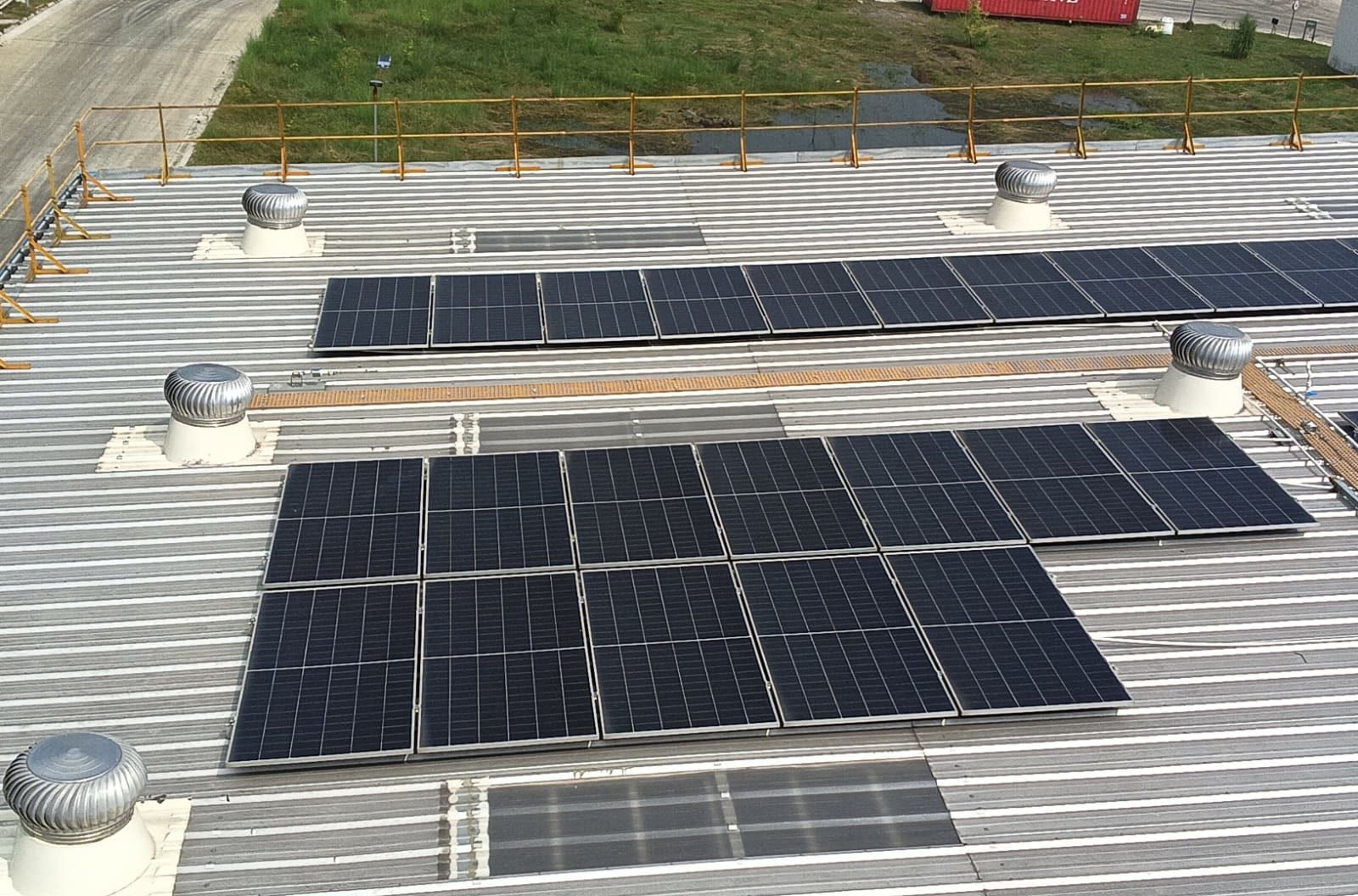
| Roofs | Long metal sheet processing sheds with ventilators, and RCC blocks for stores and offices. The polymer plants on our list are on both. |
| Load shape | Flat around the clock. The base load is close to the peak. |
| What limits the design | Roof area against a large load, fine dust on modules, combustible stock under the roof, and lines that react to voltage dips. |
| Realistic solar role | A defined slice of daytime units with almost no export. A battery is a separate decision, taken for outage protection. |
Load shape
Heaters, drives and chillers on 24-hour lines
Polymer processing is electricity-heavy. Barrel heaters, screw drives, mould chillers and the compressors behind them draw power for as long as a line runs. Many lines run 24 hours because stopping means purging material and losing output, so the night base load sits close to the daytime peak.
That shape decides what solar can do. Sunlight covers about half of each day, and the plant's size is capped by the roof. On a 24-hour load the plant takes a defined slice of units off the grid bill, and every unit it makes is used on site, so little or nothing is exported.
Compounding and masterbatch units add two more facts: fine dust that settles on the roof, and stock that burns. Both change how the roof is cleaned and how cables are routed.
Heating zones
Barrel and die heaters on moulding machines and extruders are a constant electrical load while material is in process.
Motors and drives
Screw drives, pullers, granulators and conveyors keep motors loaded through every shift.
Mould and process cooling
Chillers and cooling towers pull heat out of moulds and melt, and work hardest in the afternoon.
Compressed air
Blow moulding and pneumatic handling need steady air, one of the larger loads on many sites.
Finance
Almost every unit is used on site, so CAPEX and PPA are easy to compare
A polymer plant rarely exports, so the comparison is clean. Under CAPEX you spend on the plant and keep the saving. Under a PPA you spend nothing and pay a per-unit tariff.
CAPEX: you own the plant
Buy the plant and keep every unit it makes. Our CAPEX projects return 25%+ IRR. A Pune plant returned 50%+ IRR and paid back in under 2 years. A 24-hour load leaves almost none of the generation unused.
How CAPEX worksPPA / OPEX: you buy the units
Keep your capital for moulds and machines: Adhvanik owns the plant, and you pay an agreed tariff, below your grid rate, per unit generated.
How a PPA works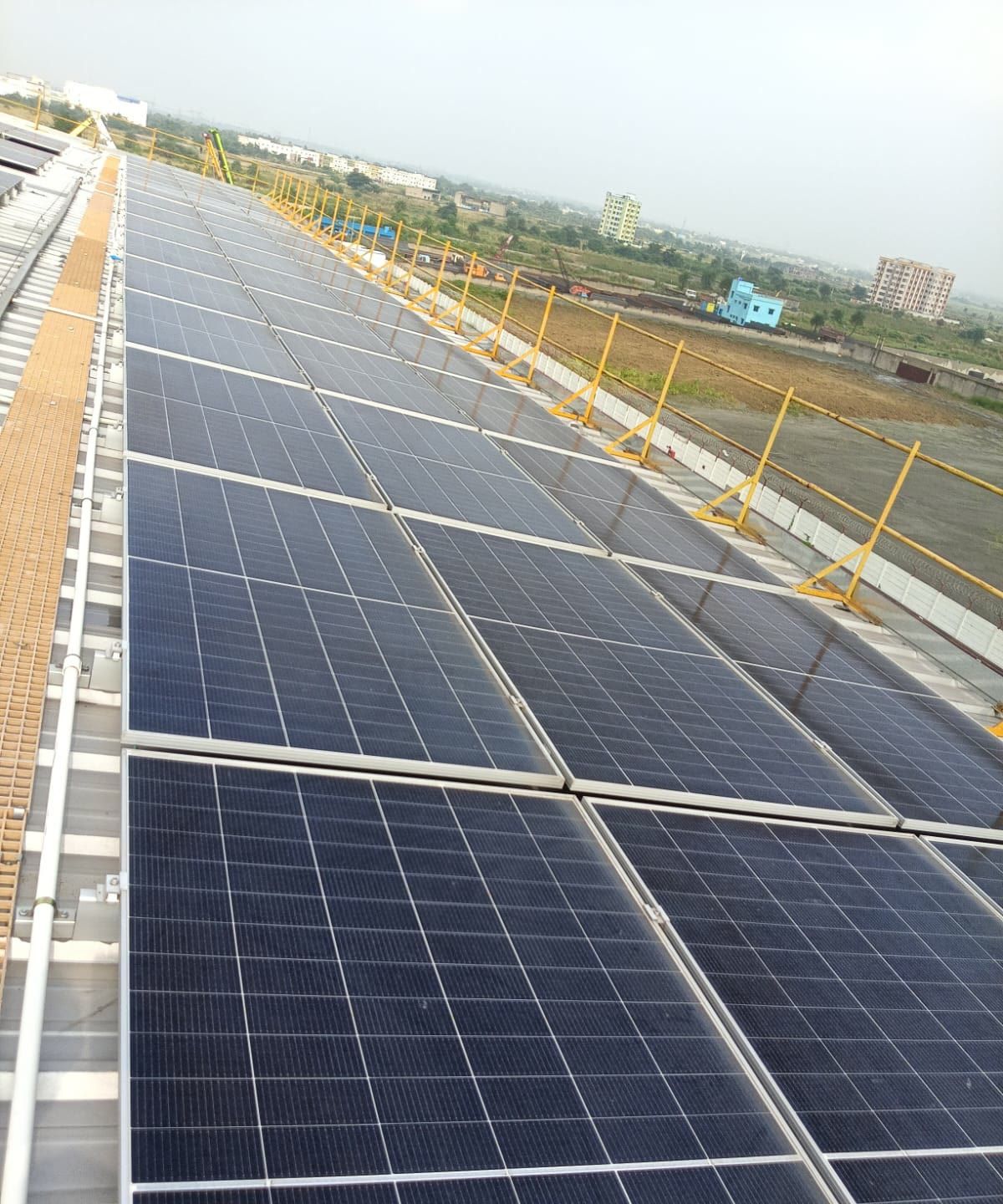
Engineering
Dust, ventilators and polymer stock under the roof
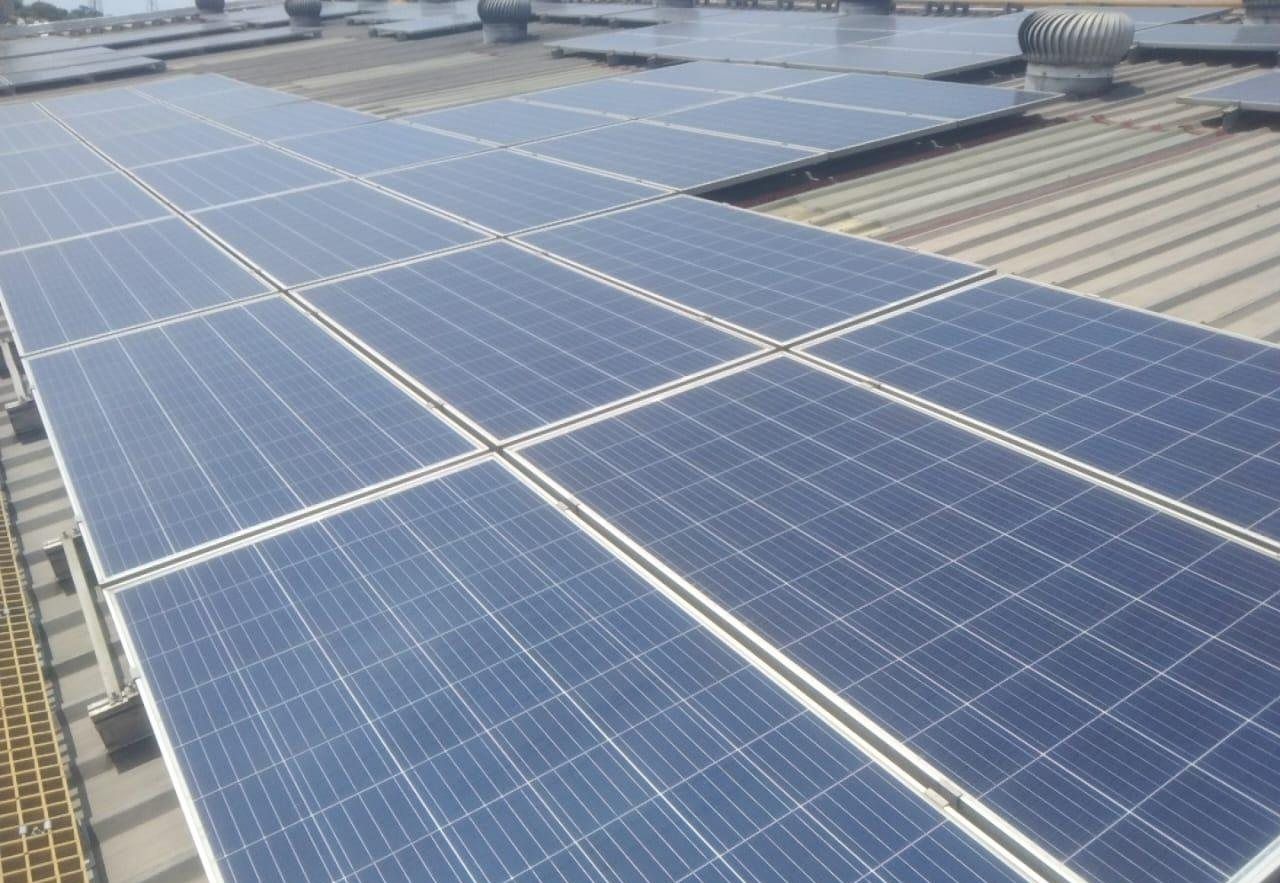
Processing sheds are often long metal sheet buildings, while compounding and warehouse blocks may be RCC. Our polymer sites include both, and the mounting is chosen roof by roof. Raw polymer, masterbatch and finished goods sit under the roof and they burn, so the fire side of the design gets as much attention as the structure.
- No-drill adhesive or clamp fixing on sheet roofs, which keeps the sheet manufacturer's warranty intact
- Layouts that work around roof ventilators, skylights and exhaust stacks
- Cable routes, DC isolators and inverters kept clear of stock areas, with fire routes left open
- Cleaning frequency set higher where pigments or carbon black are handled, and checked against monitored losses
- Ballasted or anchored structures on RCC blocks, with walkways designed in
On the project list
Polymer plants on the list
Both roof types appear, and several processors have more than one plant.
- Plastiblends – Palsana, 463 kWpO&M only (built by another EPC)
One of three Plastiblends plants at Palsana in Gujarat (warehouse, black shed and white shed), all on RCC roofs.
Plant page - Ronch Polymer – Pune, 332 kWpMetal sheet roof
Metal sheet roof. Ronch has two units at Pune and two at Daman on the list, each a separate plant.
Plant page - Samruddhi Industries – KolhapurMetal sheet roof · 1,410 kWp
Metal sheet roof at Kolhapur. Samruddhi's plants on the list run from Kolhapur and Sangli to Chittoor in Andhra Pradesh.
Plant page
Case studies
Samruddhi Industries at Kolhapur and Sangli
Common questions
Drilling, dust, fire and 24-hour loads
What moulders, extruders and compounders usually want settled first.
Speak with an industrial solar engineerOur lines run 24 hours. How much of our power can rooftop solar cover?
Solar generates in daylight only, so on a round-the-clock load it covers part of the bill and not all of it. The share depends on roof area, sanctioned load and state rules. The feasibility study works it out from your bills and roof, and its ROI sheet shows the return for that size.
Polymer stock burns. What does that mean for a rooftop plant?
Your insurer and fire officer will want to see where cables, DC isolators and inverters sit relative to stock, and how fire crews reach the roof. We put those on the drawing, with walkways and isolation points, and agree them with your safety team before the layout is final.
Does carbon black or pigment dust affect the modules?
Fine dust settles on modules and cuts output. Where a site handles pigments or carbon black, cleaning is scheduled more often, and Asset Connect shows soiling losses so the schedule follows the data and not a calendar.
Will fixing solar to the shed roof cause leaks?
In many cases the structure is fixed through the sheet, with the fixings sealed. If you want a zero-leakage roof, we use non-penetrating adhesive or clamp mounting instead, as our Samruddhi Industries case study shows. Either way, the mounting is designed to comply with OEM installation guidelines and protect applicable warranties.
Can solar run when the grid trips?
A standard grid-connected plant shuts down when the grid fails, for the safety of line workers. If short outages cost you material, we can assess battery storage alongside the solar plant in the same study.
We run several units. Can they be studied together?
Yes. Several polymer clients on our list run plants in more than one location, and we design, build and monitor each unit under one team. Send the bills for every unit and we model them side by side.
Who fixes faults after commissioning?
Our in-house O&M team. We respond remotely within 1 working day. If the fault cannot be fixed remotely, an engineer attends site within 2 working days. Across the plants we maintain, average asset uptime is 99%.
Projects
Moulding, compounding and masterbatch sites
Moulding, compounding and masterbatch sites on metal sheet and RCC roofs. Locations are shown as city and state.
- 1,410 kWp
Samruddhi Industries – Kolhapur
Maharashtra
Commissioned Sep 2025
- 800 kWp
Samruddhi Industries – Sangli
Maharashtra
Commissioned Apr 2025
- 478 kWp
Ronch Polymer – Daman, 478 kWp
Dadra and Nagar Haveli and Daman and Diu
Commissioned Dec 2024
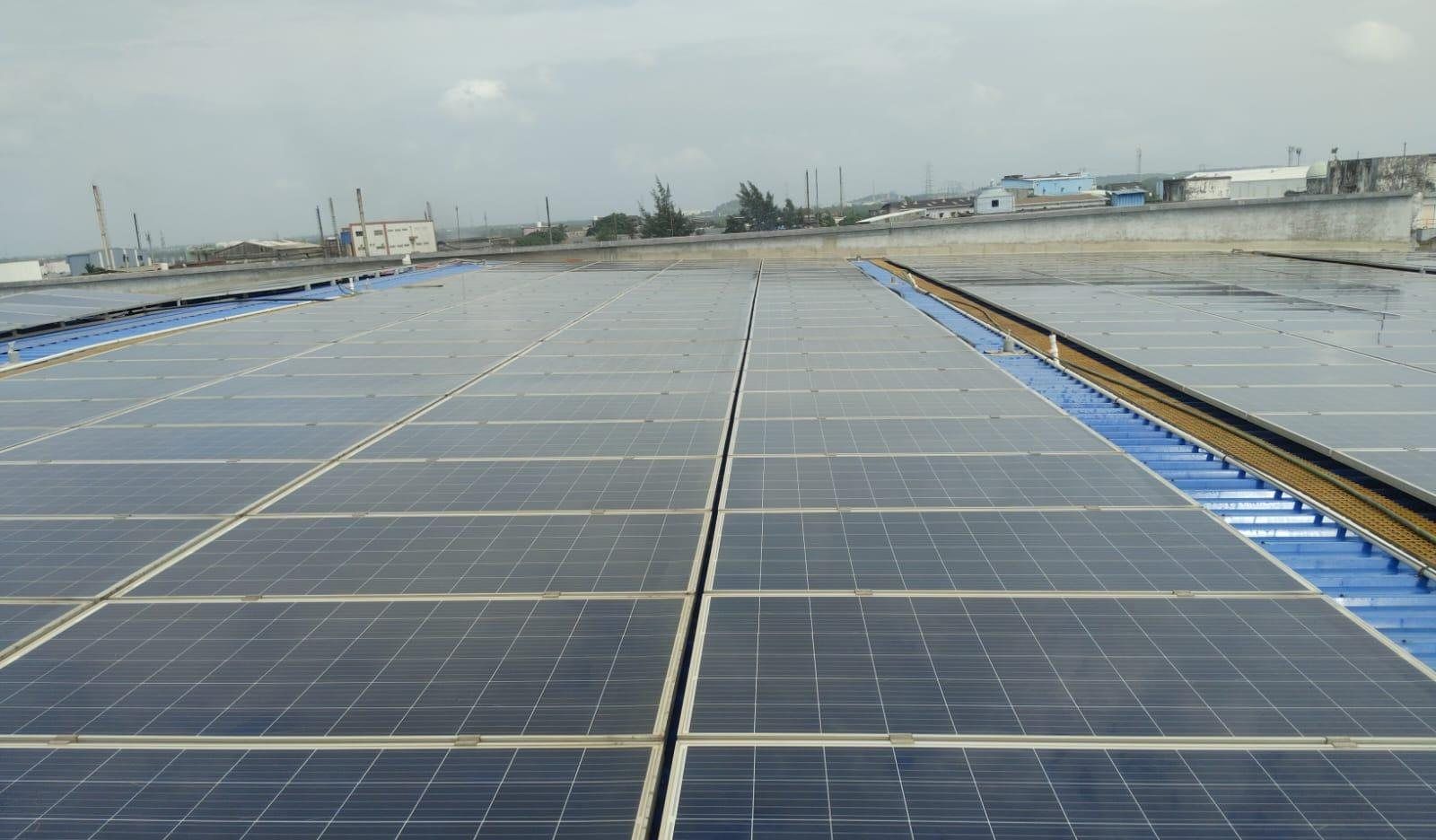
Ronch Polymer – Daman, 173 kWp
Dadra and Nagar Haveli and Daman and Diu
Commissioned Dec 2024
- 300 kWp
Plastiblends – Roorkee
Uttarakhand
Commissioned Apr 2024
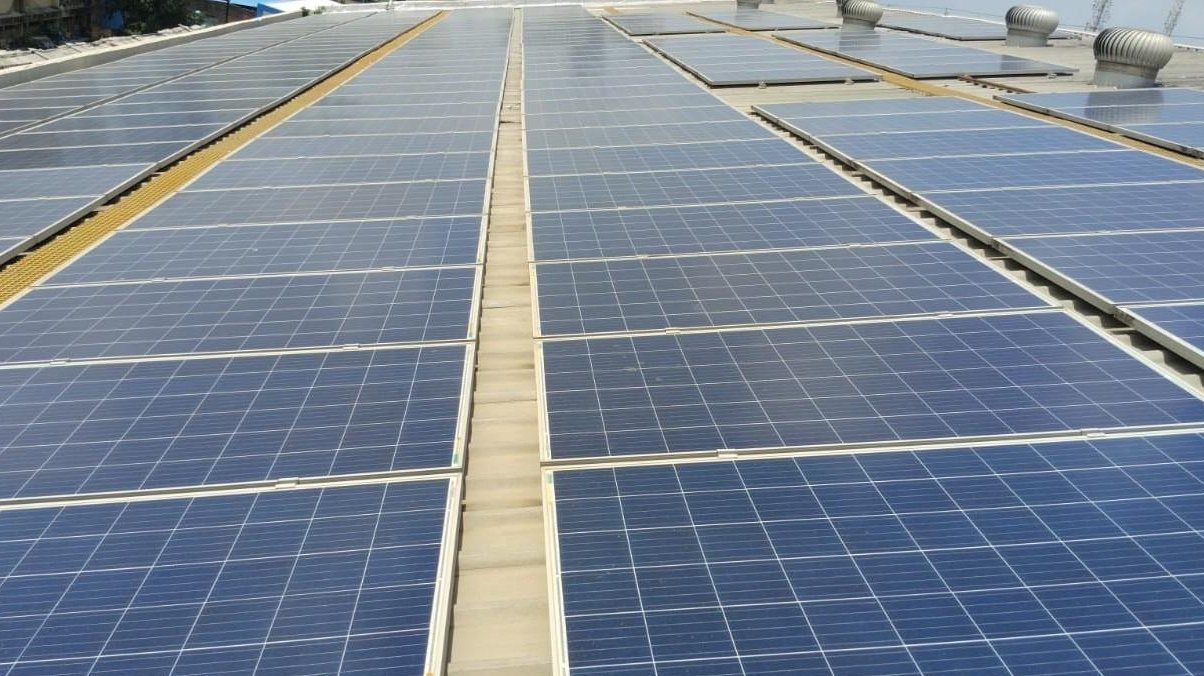
Plastiblends – Daman, 200 kWp
Dadra and Nagar Haveli and Daman and Diu
Commissioned Apr 2024
Plastiblends – Daman, 67 kWp
Dadra and Nagar Haveli and Daman and Diu
Commissioned Apr 2024
- 274 kWp
Arihant Gold Plast – Sarigam
Gujarat
Commissioned Sep 2022
- 223 kWp
Plastiblends – Palsana, 223 kWp
Gujarat
Commissioned Jul 2022
Guides and glossary
Reading a 24-hour bill and sizing the slice
- Reading your electricity bill: the numbers that matter for solarRead the guide
- How rooftop solar pays back for Indian industryRead the guide
Terms used on this page
Free feasibility study
Free feasibility study for your sheds
Share a recent bill and your site location. We reply within 48 hours. The full study takes 7 days and costs nothing.
What the study covers
- Financial ROI sheet based on a preliminary design
- Roof feasibility and the area available for installation
- Policy check for your state and connection