
Glass & ceramics
Solar for glass processing plants
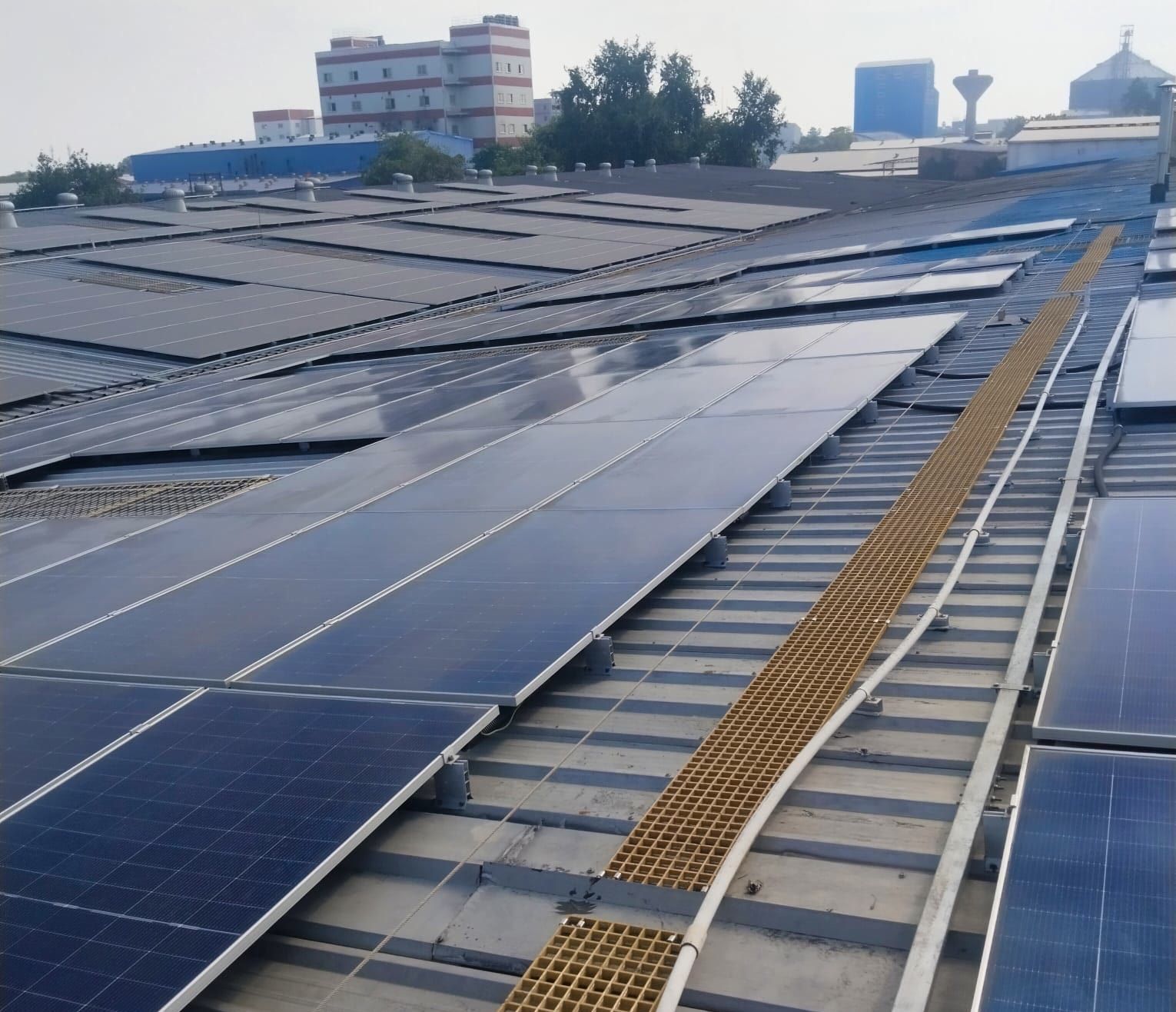
A glass processor spends most of its electricity on a few machines, tempering furnaces above all, and the roof above those halls runs hot. We build new plants and also maintain plants built by other EPCs, as we do at two of our glass sites.
Glass clients, new and inherited
- Clients
- FUSO Glass
- States
- Tamil Nadu · Maharashtra · Telangana
- Installation types
- Metal sheet roof · O&M takeover
- Most recent commissioning
- Jul 2026
Energy intensity
Tempering furnaces, edging and washing lines
Glass processors cut, edge, wash, temper, laminate and assemble glass. Electric tempering furnaces are typically among the largest single loads on such a site, with washing, edging and insulating-glass lines running alongside.
A tempering furnace is held hot through the working day and loaded in batches, so its draw cycles as glass goes in and out. Rooftop solar takes a steady block of daytime units off the grid bill, but it does not cover a furnace's full demand.
Ceramics plants differ. Kilns and spray dryers usually run on gas, and the electrical load sits in mills, presses and glazing lines. Float-glass melting runs without a stop for years and is a different scale, so this page is about processors.
Tempering furnaces
Heating glass close to its softening point is a large, concentrated electrical load during production.
Cutting and edging
CNC cutting tables, edgers and drills run throughout each shift.
Washing lines
Washers and dryers prepare glass between process steps and draw power continuously.
Ventilation
Furnace halls need ventilation and cooling, adding load on hot afternoons.
A processing site
Where a glass processor's roof, load and heat meet
| Operating pattern | Two or three shifts, with furnaces held at temperature through the working week and cycled by batch. |
|---|---|
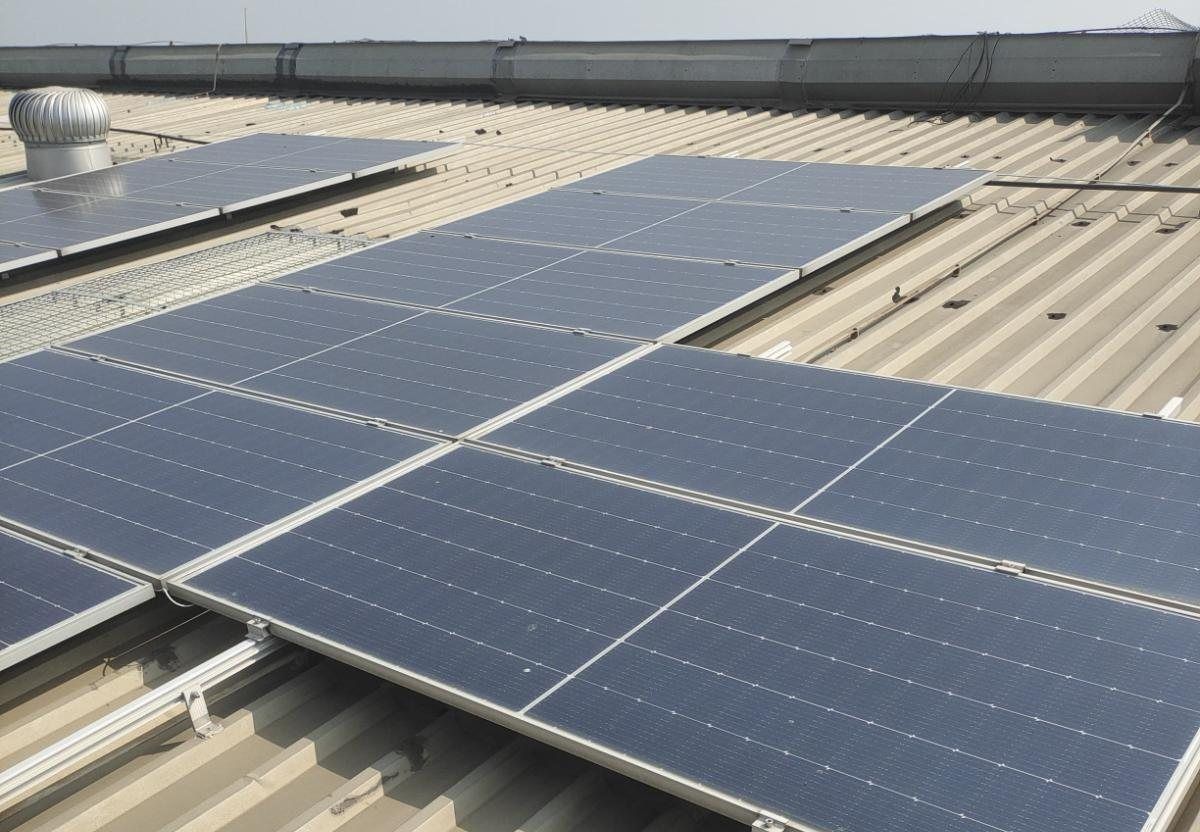
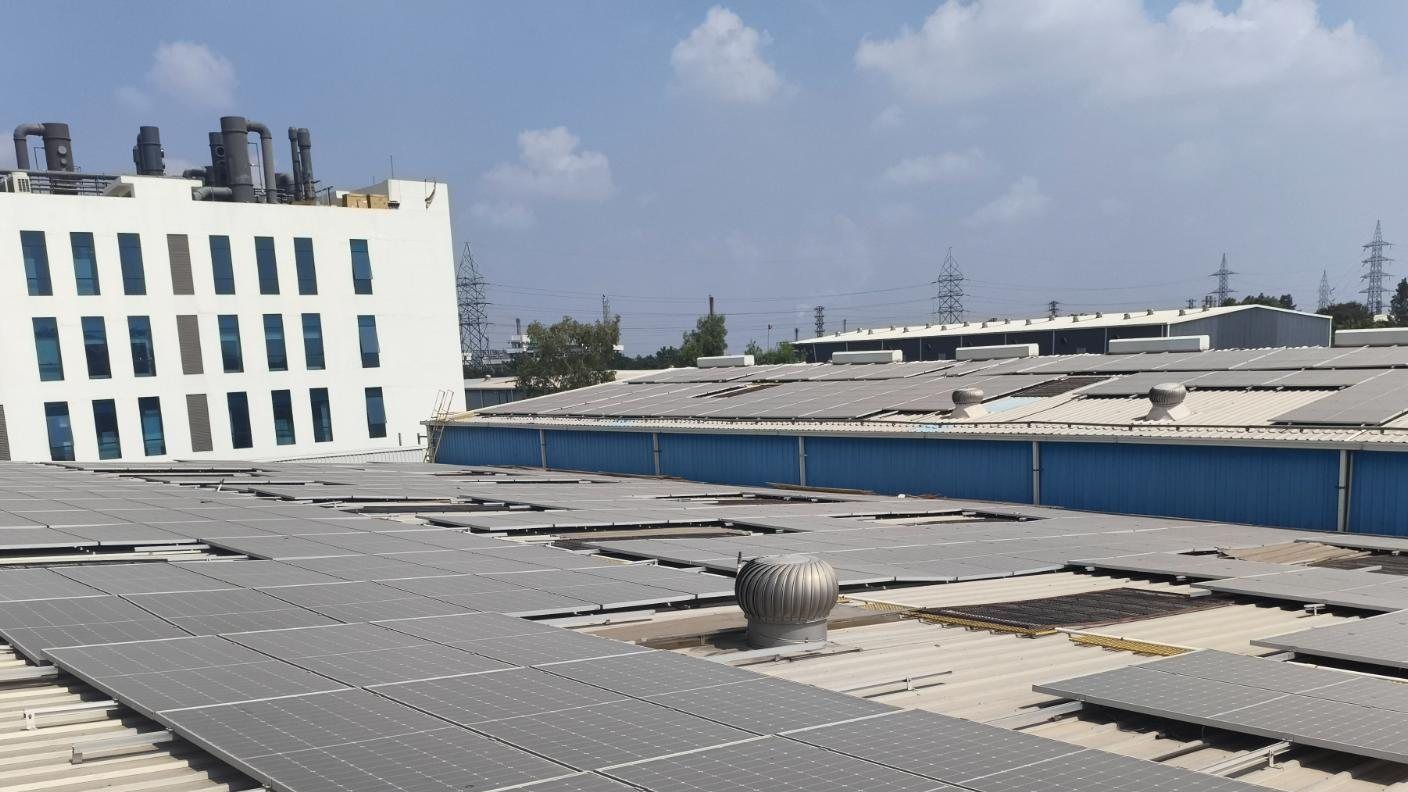
| Roofs | Large sheet-roof halls. The roof above furnaces and exhausts runs hotter than the rest. Every glass plant on our list with a recorded roof type is on metal sheet. |
| Load shape | High through the shift, stepped by furnace batch cycles. |
| What limits the design | Heat and exhaust from furnace halls, glass dust and slurry, and a furnace load too large for any roof to cover. |
| Realistic solar role | A steady block of daytime units, open access for what a roof cannot supply, and takeover O&M for plants others built. |
On the project list
The glass sites on the list: built by us and inherited
All four plants belong to one glass processor. Two we built and two we maintain after another EPC built them.
- FUSO Glass – MurbadMetal sheet roof · 926 kWp
A plant we built, on a metal sheet roof at Murbad in Maharashtra.
Plant page - FUSO Glass – SriperumbudurMetal sheet roof · 531 kWp
A plant we built, on a metal sheet roof in the Sriperumbudur belt near Chennai.
Plant page - FUSO Glass – ChennaiO&M only (built by another EPC) · 750 kWp
An earlier plant at Chennai that another EPC built. We maintain it under an O&M contract.
Plant page - FUSO Glass – HyderabadO&M only (built by another EPC) · 630 kWp
A Hyderabad plant built by another EPC, now maintained by us.
Plant page
Build and maintain
New builds, and takeovers of plants built by others
Our glass client has new plants built by us and older plants, built by other companies, that we now maintain. Takeover plants are monitored on Asset Connect.
- Through-fixed or non-penetrating mounting on the sheet roofs, chosen per roof
- Layouts set back from furnace exhausts and roof ventilation, where air temperature is highest
- Takeover of plants built by other EPCs, starting with a review of the plant and its records
- Monitoring on Asset Connect, with monthly engineer-signed reports
Finance
Fixing part of the energy cost: CAPEX or PPA
When energy is a large share of cost, the question is how much of it you want fixed. Owning the plant fixes that share for its life; a PPA fixes it for the contract term.
CAPEX: you own the plant
Own the plant and keep the full savings. Our CAPEX projects return 25%+ IRR. A Pune plant returned 50%+ IRR and paid back in under 2 years. The study's ROI sheet shows the return for your site.
How CAPEX worksPPA / OPEX: you buy the units
No upfront investment: Adhvanik owns and maintains the plant, and you pay an agreed tariff, set below your grid rate, per unit generated.
How a PPA worksCommon questions
Furnaces, takeovers and fault response
For processors with tempering furnaces, and for owners of plants built by other EPCs.
Speak with an industrial solar engineerCan solar cover a tempering furnace?
Not on its own. A tempering furnace's demand is large and concentrated, so a roof alone won't cover it. What rooftop solar does well is take a steady block of daytime units off the grid bill. For larger loads, open access solar can bring offsite generation to the plant.
We already have a solar plant built by someone else. Can you maintain it?
Yes. We take over operation and maintenance of plants built by other EPCs under an AMC, with monitoring. Many clients have seen generation rise by 5 to 10% after moving their O&M to us; that is an average, not a guarantee. 170+ factories are under our active maintenance today, including glass plants listed on this page.
Do furnace heat and dust affect the modules?
Layouts keep arrays back from exhausts and ventilation outlets. Dust and soiling are handled through the cleaning schedule, and continuous monitoring shows any loss in performance quickly so it can be corrected.
Can one site be on CAPEX and another on a PPA?
Yes. The model is chosen site by site. A plant you want on the balance sheet can be bought outright, while another runs on a per-unit tariff with no capital from you. The feasibility study quotes each location.
How quickly do you respond to faults?
We respond remotely within 1 working day. If the fault cannot be fixed remotely, an engineer attends site within 2 working days. Asset Connect raises the alerts.
Projects
Glass sites: ours and inherited
Glass processing sites in Tamil Nadu, Maharashtra and Telangana, including plants built by other EPCs that we maintain. City and state only.
Guides and glossary
Guides on open access and plant performance
- Performance ratio (PR): how to judge a plant after commissioningRead the guide
- How rooftop solar pays back for Indian industryRead the guide
Terms used on this page
Free feasibility study
Take a block of units off your bill
Whether it is a new plant or an existing one that needs better care, tell us about the site. We reply within 48 hours.
What the study covers
- Financial ROI sheet based on a preliminary design
- Roof feasibility and the area available for installation
- Policy check for your state and connection