
Project · Himachal Pradesh
FDC – Baddi: 332 kWp RCC rooftop solar in Himachal Pradesh
Generating since Sep 2021. Adhvanik Energy owns and runs it, and FDC pays for each unit the plant generates, under a PPA.
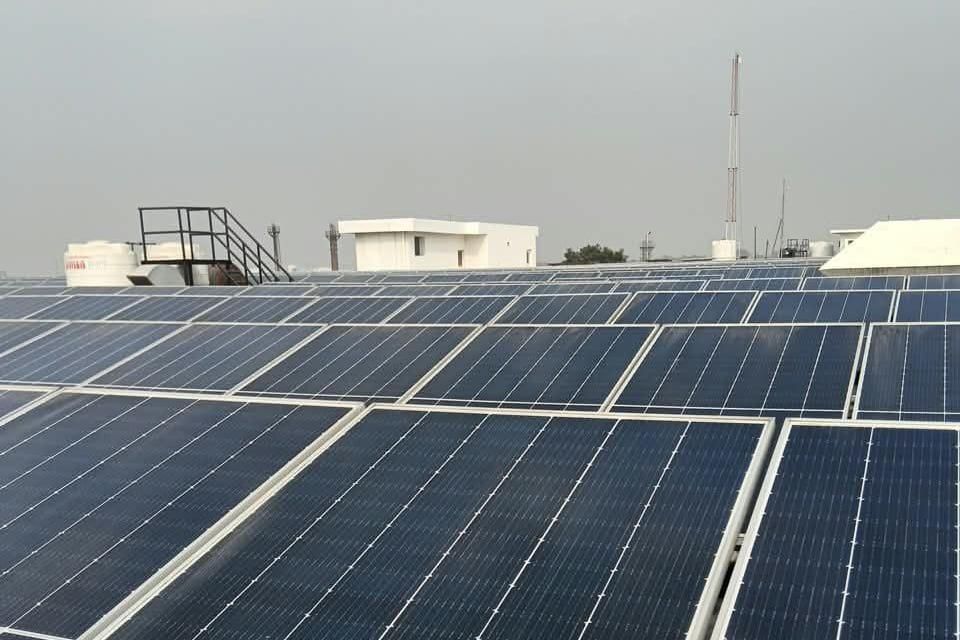
- Capacity
- 332 kWp
- Installation
- RCC
- Location
- Baddi, Himachal Pradesh
- Finance model
- PPA / OPEX
Size, roof and finance model
- Client
- FDC
- Industry
- Pharma
- Capacity
- 332 kWp (DC), with 250 kW (AC) of inverters
- Service
- EPC + O&M
- Commissioned
- Sep 2021
- Status
- Operational. Owned and run by Adhvanik Energy.
332 kWp is mid-sized for the list, enough to span a production hall or two. Its 332 kWp of modules feed 250 kW of inverters, a DC/AC ratio of 1.33.
Running since Sep 2021, the plant has a long generation record. It suits an inspection programme covering inverters, cabling and modules together. Its first weeks, in Sep 2021, were monsoon weeks.
For scale, the nearest match in capacity is Ronch Polymer – Pune (332 kWp, Maharashtra). Its nearest neighbour in Himachal Pradesh, in order of commissioning, is HUL – Nalagarh.
Solar in the area: Himachal Pradesh · Baddi and Kala Amb. See it in the projects index.
On site
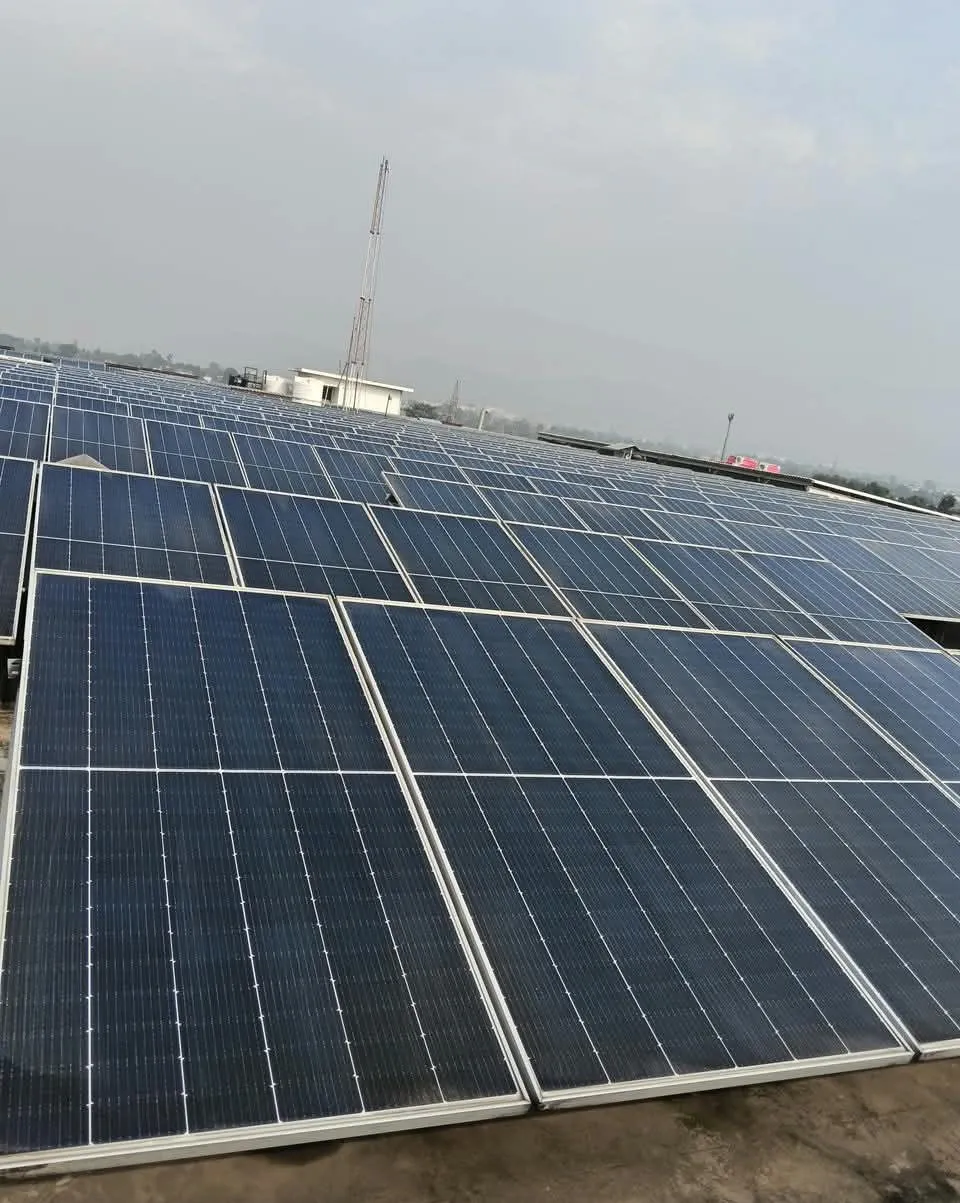
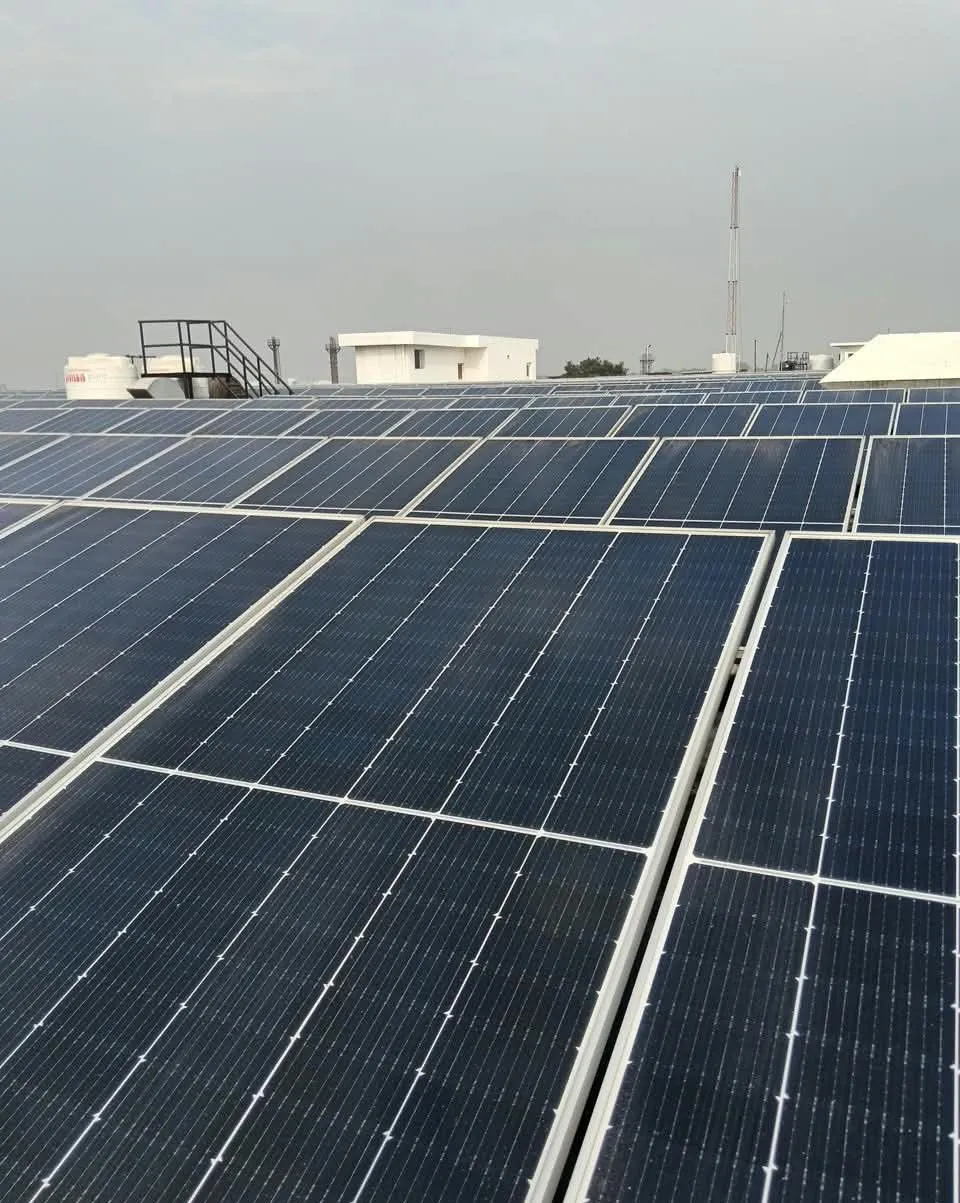
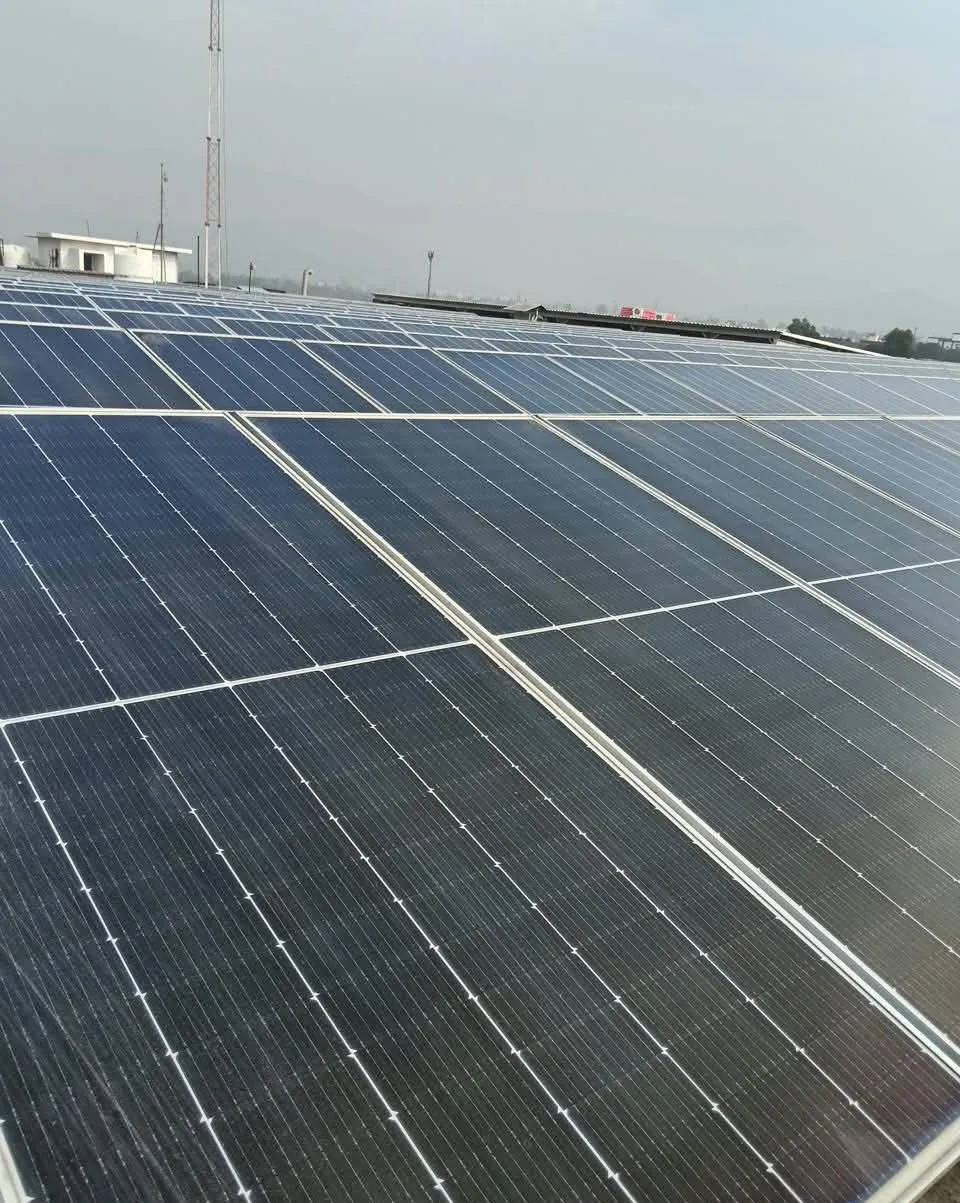
3 photos from the plant. Select one to enlarge.
Engineering
What a RCC rooftop plant involves
Flat slabs let a plant be laid out in tidy rows. The extra work on a plant like FDC – Baddi sits below the modules: the slab's load margin, and the age of the waterproofing under the ballast.
Drainage decides where steel can go. Structures are set out around rainwater outlets and slopes so monsoon water still leaves the roof, and protection pads under the ballast keep the membrane intact.
Irradiance sensors give Asset Connect the sunshine a 332 kWp plant should have converted, so a shortfall can be told apart from a cloudy week.
Finance model
What PPA / OPEX means here
A PPA moves the capital cost to us. The client at the plant has had a solar supply since Sep 2021, with the cost arriving as a per-unit charge on what the plant supplies.
For the host site the PPA is a long contract, with terms from 5 to 25 years.
Baddi
Where FDC – Baddi sits on our list
- Solar resource here
- 1,735 kWh/m² a yearAbout 1,520 kWh per kWp a year for a standard tilted system; July is the weakest month. Global Solar Atlas estimate for Baddi; a roof plant at roof tilt differs.
- Capacity range
- 250 to 500 kWp332 kWp here. 36 plants on our list are in this range.
- Type of installation
- RCCA flat concrete slab, ballasted or anchored.
- Finance option
- PPA / OPEXNo capital from the factory: it pays per unit generated.
Besides the FDC plant, our list has 2 other plants in Baddi. Between them they cover chemicals and pharma.
Baddi is covered on the page for Baddi and Kala Amb, which lists 6 plants.
Himachal Pradesh has 7 projects on the list, across 3 towns. By roof, 5 on metal sheet roofs and 2 on RCC.
Pharma sites run clean rooms and HVAC around the clock, so the baseline load is high, and part of it falls in daylight.
Ask for the site rules on roof work, since a pharma site may require permits before anyone goes on the roof.
Sector pages: industries we work with. Rules for Himachal Pradesh: solar policy.
Projects
Related plants
Also in Baddi
- Pidilite – Baddi, 227 kWpMetal sheet roof · Dec 2025
- Pidilite – Baddi, 97 kWpMetal sheet roof · Dec 2025
Elsewhere in Himachal Pradesh
- Pidilite – Kala Amb, 312 kWpMetal sheet roof · Jan 2026
- HUL – Nalagarh46 kWp · RCC · Jul 2023
Other plants on RCC roofs
- Legrand – Haridwar537 kWp · RCC · Jan 2024
- HUL – Kandla160 kWp · RCC · Nov 2023
- Pearl Global – Bengaluru637 kWp · RCC · Mar 2026
- Mahyco – Jalna1,119 kWp · RCC · Jan 2026
Common questions
What people ask about this plant
What does 332 kWp mean for this Baddi plant?
Two figures describe the plant: 332 kWp on the module side and 250 kW (AC) on the inverter side. The modules exceed the inverter rating by about 33%, a DC/AC ratio of 1.33.
What roof is the FDC plant built on?
RCC, according to the list. Slab load, membrane condition and rainwater outlets set how the 332 kWp is laid out.
Does Adhvanik Energy work near Baddi?
Yes. 3 plants are listed for Baddi, among 7 in Himachal Pradesh. The free 7-day feasibility study needs only your town and a typical monthly bill.
Guides and glossary
Guides and terms behind a 332 kWp plant
- CAPEX or PPA: which solar model fits your factory?Read the guide
- Metal sheet, RCC, ground mount or carport: choosing the installationRead the guide
- Performance ratio (PR): how to judge a plant after commissioningRead the guide
Terms used on this page
Free feasibility study
Find out what your slab can carry
A 332 kWp plant is one data point. The free 7-day study gives you the numbers for your own site.