
PPA / OPEX
Solar PPA for factories: we fund and own the plant, you pay per unit
In a PPA (power purchase agreement) Adhvanik Energy designs, procures, builds and commissions a solar plant at your factory, owns it and runs it. You pay a tariff, set below your grid rate, for each unit it generates, with zero upfront investment, for 5 to 25 years.
- average asset uptime
- 99%
- uptime guarantee
- 95%
- of our clients have given us another project
- 85%
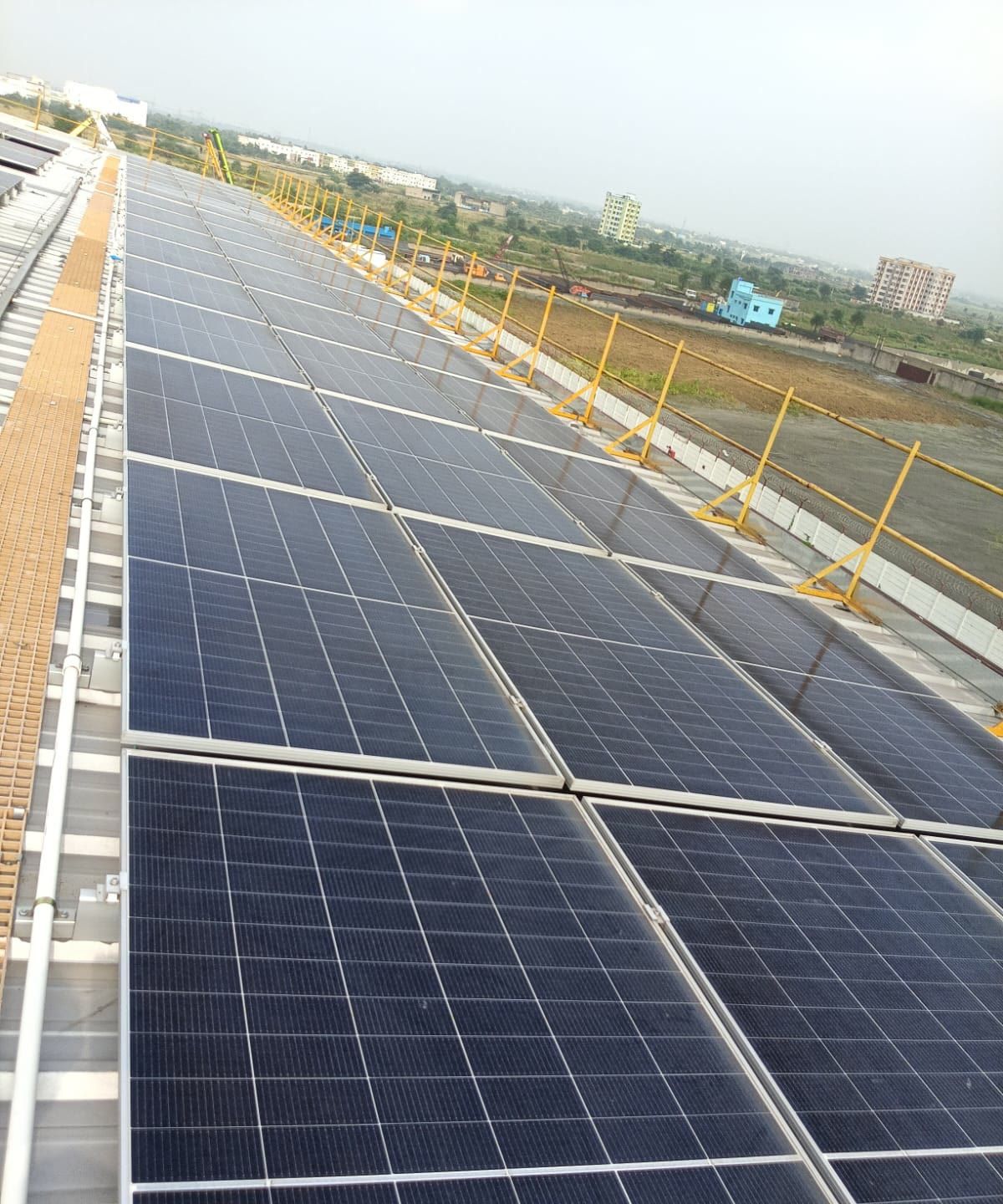
At a glance
A PPA in one view
A PPA is also called the OPEX or RESCO model. You buy the electricity the plant produces, and Adhvanik keeps the plant.
- Who invests
- Adhvanik, with its own capital. You make zero upfront investment.
- Who owns it
- Adhvanik, for the 5 to 25 years of the PPA. The PPA sets what happens at the end.
- How you pay
- A tariff for each unit the plant generates, set below your grid rate. Units exported to the grid are treated under the standard net-metering policy of your state.
- Contract terms
- The contract includes a deemed-generation clause and a buy-out option. The exact terms are set per project.
- Who maintains it
- Adhvanik, for the whole term, through our in-house O&M team.
- Main benefit
- A saving from the first unit, with no capital outlay and no asset to manage.
- Main limit
- You do not own the plant during the term, the contract is long and lifetime savings are lower than owning.
- Suits a factory that
- Wants its capital for the core business and would rather the developer carried generation risk.
How a PPA works
We own the plant; you buy its units
We hold the asset, the capital and the upkeep; your bill carries a per-unit tariff.
- 01
We invest
Adhvanik pays for design, components, installation and commissioning.
- 02
We build on your site
We design, procure, build and commission the plant, with typical delivery in 90–100 days.
- 03
You pay per unit
Units the plant generates are metered and billed at the tariff agreed in your PPA.
- 04
We run it for the term
Our in-house O&M team keeps it generating for 5 to 25 years.
Your side
- A roof, or unused land inside the plant boundary, and safe access to it
- A signed PPA for the term you choose
- A tariff, agreed in the PPA, for each unit the plant generates
- Your bills and load data for the feasibility study
- Payment security, if the PPA asks for one
Our side
- All of the capital for the plant
- Design, procurement, installation and commissioning
- Plant monitored continuously on Asset Connect, with monthly engineer-signed reports
- Repairs and upkeep that keep the plant generating for the whole term
The saving
Your saving starts with the first unit
With no capital in the plant, there is no payback period to wait out.
Monthly saving
Units the plant generates×(the grid energy rate you avoid in solar hours − PPA tariff)
The tariff is agreed in the PPA. You know your solar cost per unit before you sign, while grid tariffs are revised by your state regulator from time to time.
Time-of-day rates count. Where your DISCOM charges ToD tariffs, measure the saving against the energy rate in solar hours, not the average rate on your bill.
Grid power still fills the gap. The plant covers part of your daytime load; your DISCOM supply carries the rest, as it does today.
Accountability
We stay responsible for the whole term
Under a PPA, our revenue depends on your plant generating, every month of the term.
- We invest our own capital and stay responsible for the full PPA term, with PPAs running to 2040 and 2051
- Long-term O&M with an uptime guarantee and a performance-ratio guarantee
- Continuous monitoring and lifecycle support for the full PPA term
- of our clients have given us another project
- 85%
- average asset uptime
- 99%
- industrial rooftop solar developers in India, JMK Research FY 2025-26
- Top 10
- the year we started in Indian renewable energy
- 2013
Before you sign
Settle these in any PPA term sheet
These clauses decide what a PPA costs over its life. Ask any developer, us included, to answer each one in writing before you sign.
Tariff
Is the tariff flat for the term, or does it rise each year, and by how much?
A small annual escalation compounds over 25 years. Compare total cost, not the year-one rate.
What does the tariff include: O&M, insurance, monitoring?
Anything left out becomes a cost you carry separately.
Generation
How are units measured, and who owns the meter?
Billing should follow a calibrated meter that both sides can read.
Is there a minimum offtake or deemed-generation clause?
It decides what you pay when the factory is shut or the grid is down.
Term and exit
What does it cost to end the PPA early?
Look for a termination schedule that falls as the term runs down.
Can you buy the plant during the term, and at what price?
A buyout option turns a PPA into a route to ownership.
What happens to the plant when the term ends?
Transfer, extension or removal each leave you in a different place.
Your site
What if you re-roof, expand or move the operation?
Shifting a plant costs money. Agree who pays before it happens.
What access does the developer need, and how often?
Cleaning and repairs need safe, planned access to the roof.
Risk and security
Who handles DISCOM approvals and changes in metering rules?
Policy will change over 25 years. The contract should say who absorbs it.
What payment security is asked for: a deposit, a bank guarantee or a letter of credit?
Security ties up working capital, so it should be sized fairly.
PPA or CAPEX
When a PPA fits, and when owning is the better choice
Both put the same kind of plant on your roof. The difference is who owns it and who carries the risk.
A PPA suits you if
- Capital is better spent on capacity, inventory or reducing debt
- You want a known cost per unit and no asset to manage
- You would rather the developer carried generation risk
Owning with CAPEX suits you if
- You want the highest lifetime savings from the plant
- You have cash or low-cost debt ready to deploy
- You are comfortable owning, insuring and maintaining an asset
Projects
Plants running on a PPA
Recent plants on our project list where the client pays per unit and we own the asset.
- 1,009 kWp
Exotic Fruits – Krishnagiri
Tamil Nadu
Commissioned Aug 2026
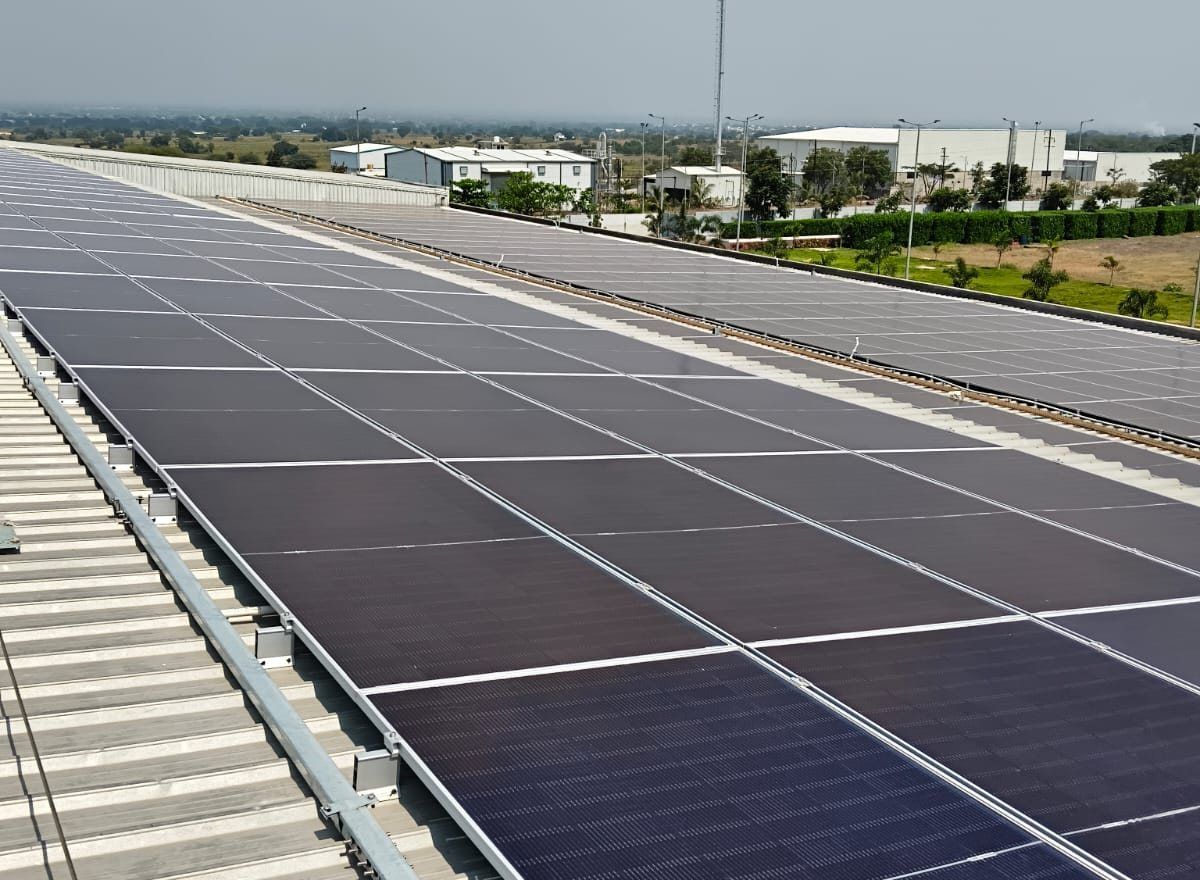
Exotic Fruits – Nashik
Maharashtra
Commissioned Jul 2026
- 500 kWp
Sterlite – Silvassa, 500 kWp
Dadra and Nagar Haveli and Daman and Diu
Commissioned Jun 2026
- 249 kWp
Sterlite – Silvassa, 249 kWp
Dadra and Nagar Haveli and Daman and Diu
Commissioned May 2026
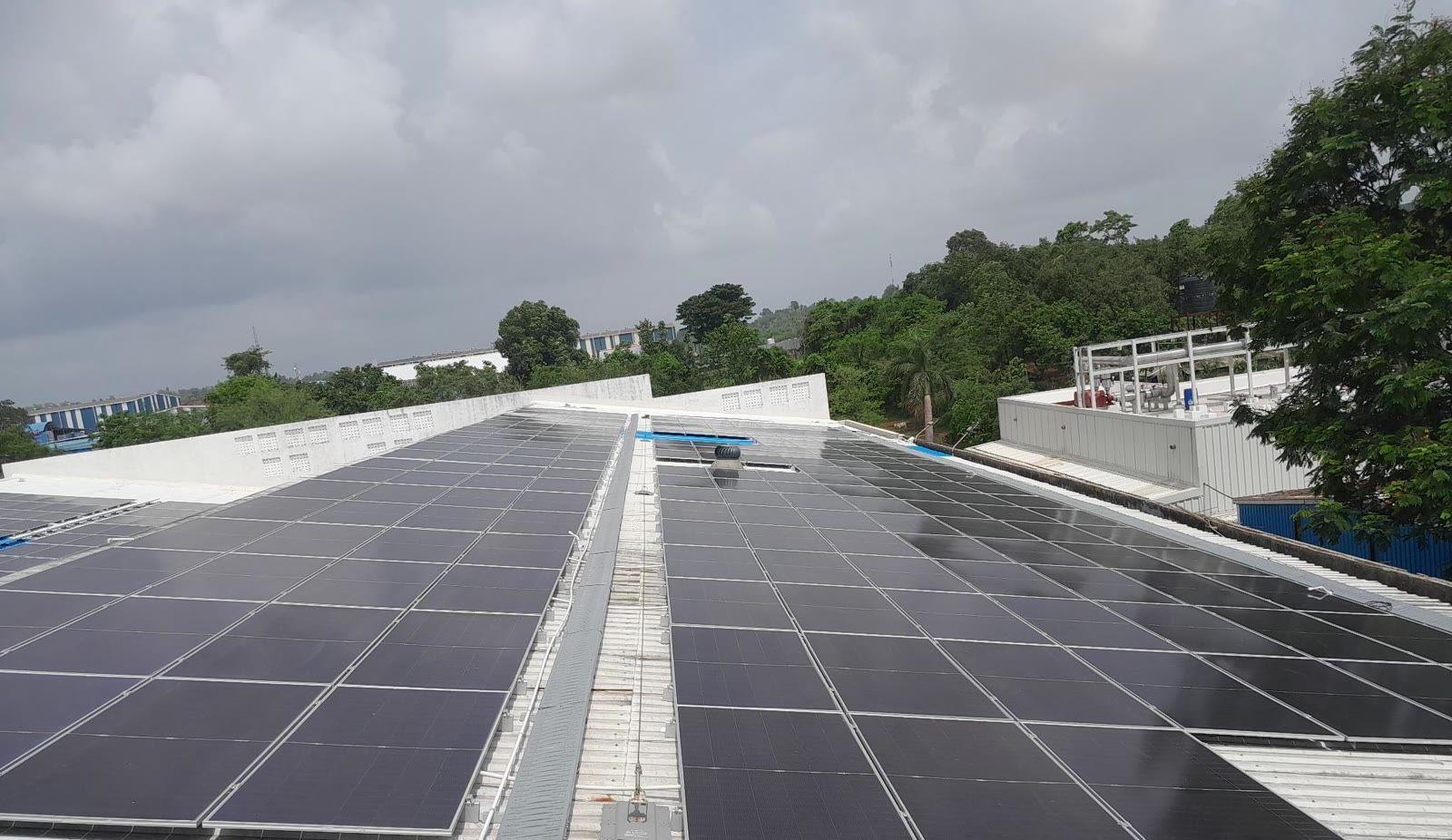
Dabur – Silvassa
Dadra and Nagar Haveli and Daman and Diu
Commissioned Apr 2026
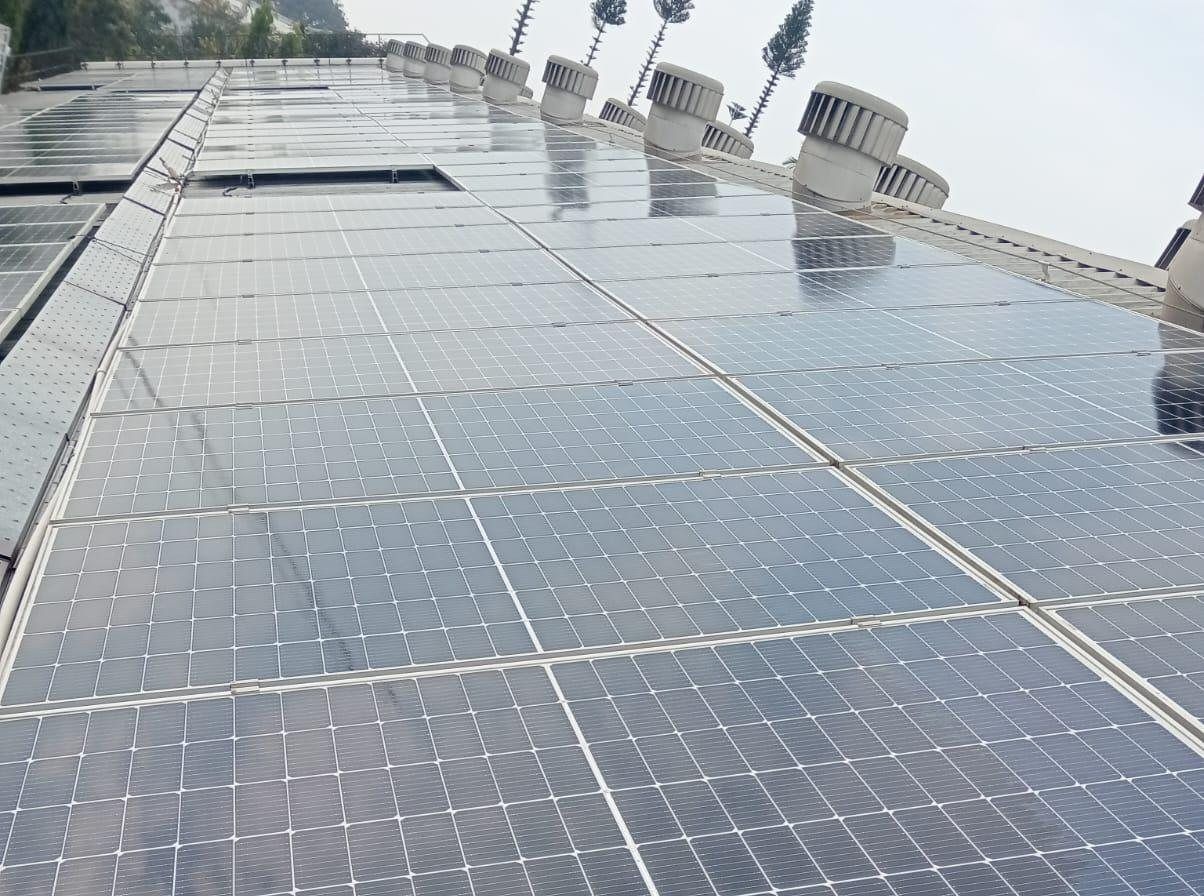
Legrand – Sinnar, 141 kWp
Maharashtra
Commissioned May 2025
Common questions
Investment, tariff, term and shortfalls: PPA questions
The exact terms are set for each project.
Compare CAPEX and PPA for your factoryDo we invest anything at all?
No capital. Adhvanik pays for design, components, installation and commissioning, and owns the plant. Your side is the roof, safe access to it and a tariff for each unit the plant generates.
How is the PPA tariff set?
It is set below your grid rate and built from your site: location, roof, daytime load and the term you choose. The feasibility study ends with a budgetary quote for your site before you sign anything.
How long is a PPA with Adhvanik?
We sign 5–25-year PPAs. We have PPAs running to 2040 and 2051.
What if the plant generates less than expected?
Under a PPA you pay per unit generated, so a shortfall is our lost revenue first, subject to the deemed-generation clause in your contract. Our in-house O&M team responds remotely within 1 working day, and if the fault cannot be fixed remotely, an engineer attends site within 2 working days. Average asset uptime across the plants we maintain is 99%.
What about units exported to the grid, and can we buy the plant?
Units exported to the grid are treated under the standard net-metering policy of your state. The contract includes a deemed-generation clause and a buy-out option. The exact terms are set per project.
How do we know you will be there for the whole term?
Look at what we already carry: PPAs running to 2040 and 2051, funded with our own capital. 85% of our clients have given us another project. JMK Research ranks us among the Top 10 industrial rooftop solar developers in India (FY 2025-26). We have worked in Indian renewable energy since 2013.
Guides and glossary
Guides on PPA terms and your electricity bill
- CAPEX or PPA: which solar model fits your factory?Read the guide
- Reading your electricity bill: the numbers that matter for solarRead the guide
Terms used on this page
Free feasibility study
Get a budgetary quote for your site
The feasibility study is free, takes 7 days and carries no commitment. An engineer replies within 48 hours.
What the study covers
- Financial ROI sheet based on a preliminary design
- Policy check for your state and connection
- Budgetary quote