
CAPEX
CAPEX solar for factories: you own the plant and keep its savings
With CAPEX you pay for the plant once and own it from day one. Adhvanik Energy designs, procures, builds and commissions it, and the savings are yours for its whole life.
- free feasibility study, no commitment
- 7 days
- typical plant delivery
- 90–100 days
- maintenance contracts available
- 25-year
At a glance
CAPEX in one view
CAPEX means capital expenditure: you invest in the plant and own it.
- Who invests
- You, from cash or a term loan.
- Who owns it
- You, from the day it is commissioned.
- How you pay
- The full plant cost, once. There is no per-unit charge for the power.
- Who maintains it
- Your choice: our in-house O&M team on a contract of up to 25 years, or your own team.
- Main benefit
- All the savings for the life of the plant.
- Suits a factory that
- Has capital or low-cost debt, wants the highest lifetime savings and is comfortable owning an asset.
Returns
What our IRR rests on, and what moves it on your roof
The IRR shown is our CAPEX track record and can differ on your roof. Five inputs move it, and the feasibility study models each one.
Our track record
25%+
IRR on CAPEX projects
A Pune plant returned 50%+ IRR and paid back in under 2 years.
Your grid tariff
Every unit you use on site replaces one bought from the DISCOM, so a higher tariff means a faster payback.
How much you use in daylight
Solar earns most when the factory consumes power as it is generated, so we size the plant to your daytime load, which can be smaller than the roof allows.
Your roof and structure
A sound metal sheet or RCC roof keeps structure costs low. A weak roof can point to ground mount inside the boundary or open access instead.
Your state's metering rules
Net metering, gross metering and banking rules differ by state, and they set the value of every unit you do not consume on site.
Performance over 25 years
Uptime and performance ratio decide how many units the plant delivers each year, so the quality of maintenance shows up in your return.
Ownership
What owning the plant gives you, and what it asks
What you get
- Highest lifetime savings of the four financing models
- A productive asset on your own books from the day it is commissioned
- After payback, power at the cost of upkeep alone
- Full say over maintenance, upgrades and future expansion
What you take on
- The full plant cost at the start, from cash or a term loan
- Performance risk, which our O&M guarantees can share with you
- Insurance and upkeep for the life of the plant
- Planning roof repairs around the array with us
Prefer not to carry these? A PPA moves capital and performance risk to us.
We work with financing partners including Tata Capital, Siemens, Solfin and Creditfair.
What you buy
Tier-one components, specified plant by plant
We are not tied to any one maker, so the bill of materials follows your roof and load.
Design, procurement and the bill of quantities run on Adhvanik Central, our project system for site data, engineering and design.
The exact makes and ratings for your plant are set out in your technical proposal.
- Solar modules
- N-type TOPCon modules from tier-one makers, monofacial or bifacial to suit the roof
- Inverters
- String inverters sized to the array, with remote monitoring built in
- Cables
- UV-resistant solar DC cables on the roof; armoured AC cables to your LT panel
- Switchgear
- AC and DC distribution boxes with surge protection, tied into your LT panel
- Structure
- Galvanised steel structure, designed for the wind speed under IS 875 as applicable
- Earthing
- Earthing and lightning protection for the whole plant
After handover
After handover, you choose who runs the plant
Our in-house O&M team can look after a plant you own, under a contract of up to 25 years, with the guarantees written into the contract. Your own maintenance team can run it instead.
- 95% uptime guarantee plus a performance-ratio guarantee. Lost generation is credited at ₹3.00/kWh
- On the plants we maintain, generation has typically run 3–7% above the guaranteed yield
- Remote response within 1 working day; an engineer on site within 2 working days if the fault cannot be fixed remotely
- Plant monitored continuously on Asset Connect, with monthly engineer-signed reports
Before you sign
Five questions for your CA
We don't give tax advice. These questions decide your post-tax numbers, and your CA should answer them against the rules in force when you buy.
Tax
Does the plant qualify for accelerated depreciation, and at what rate?
Depreciation moves your post-tax return, and the rate is set by the tax rules in force when you buy.
Can you take GST input credit on the plant and its installation?
It changes the effective capital cost you are paying.
Funding
Cash or a term loan: which gives the better return on equity?
Debt that costs less than the plant's IRR raises the return on your own money.
How will the plant show on the balance sheet and in your ratios?
Lenders and boards watch fixed-asset additions and debt covenants.
Savings
Which grid tariff should the model assume for future years?
A flat tariff understates savings if DISCOM rates rise; agree the assumption your board will accept.
Projects
Some of our largest CAPEX plants
The biggest client-owned plants on our project list.
- 1,700 kWp
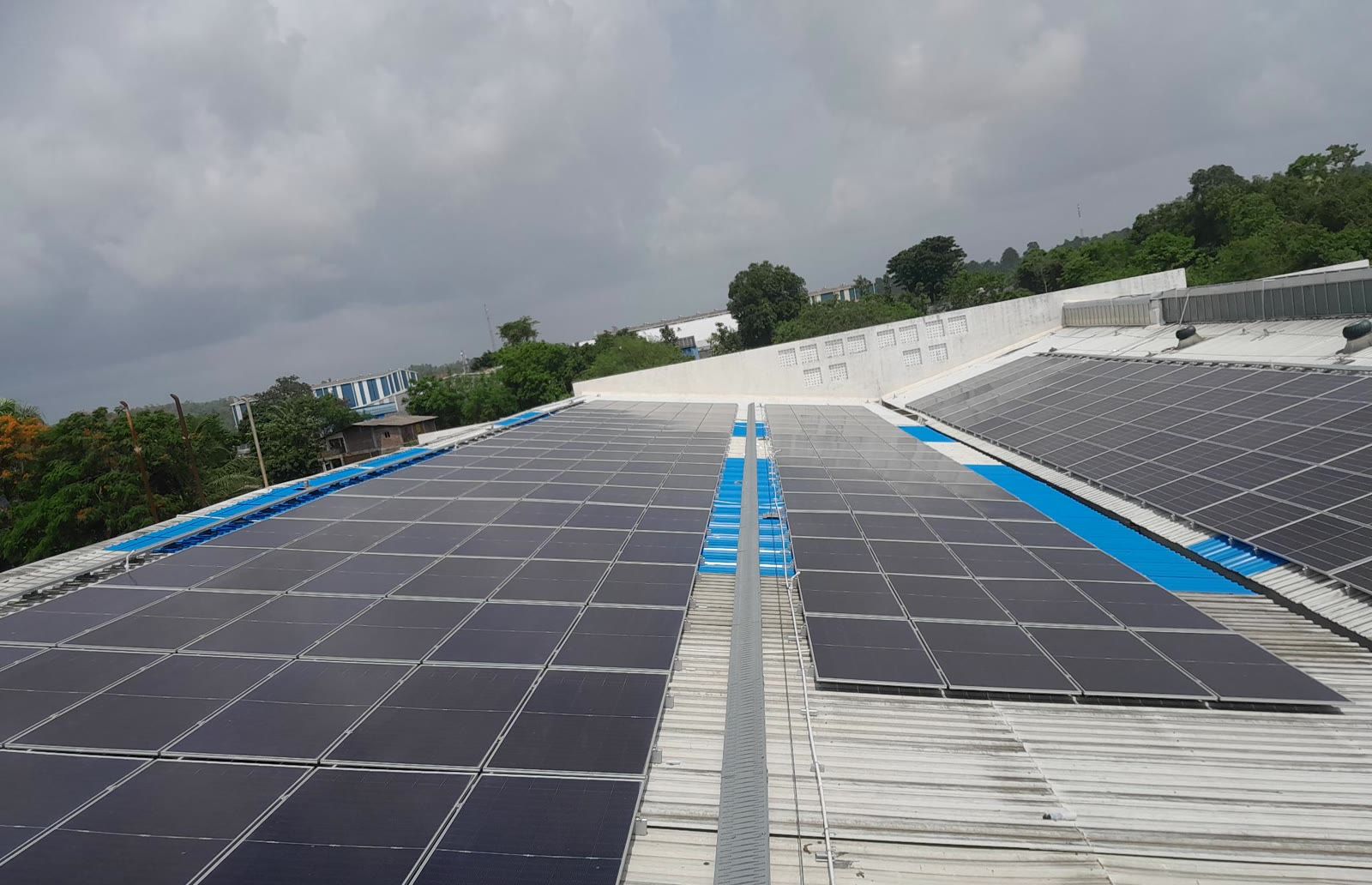
Britannia – Guwahati
Assam
Commissioned Jan 2026
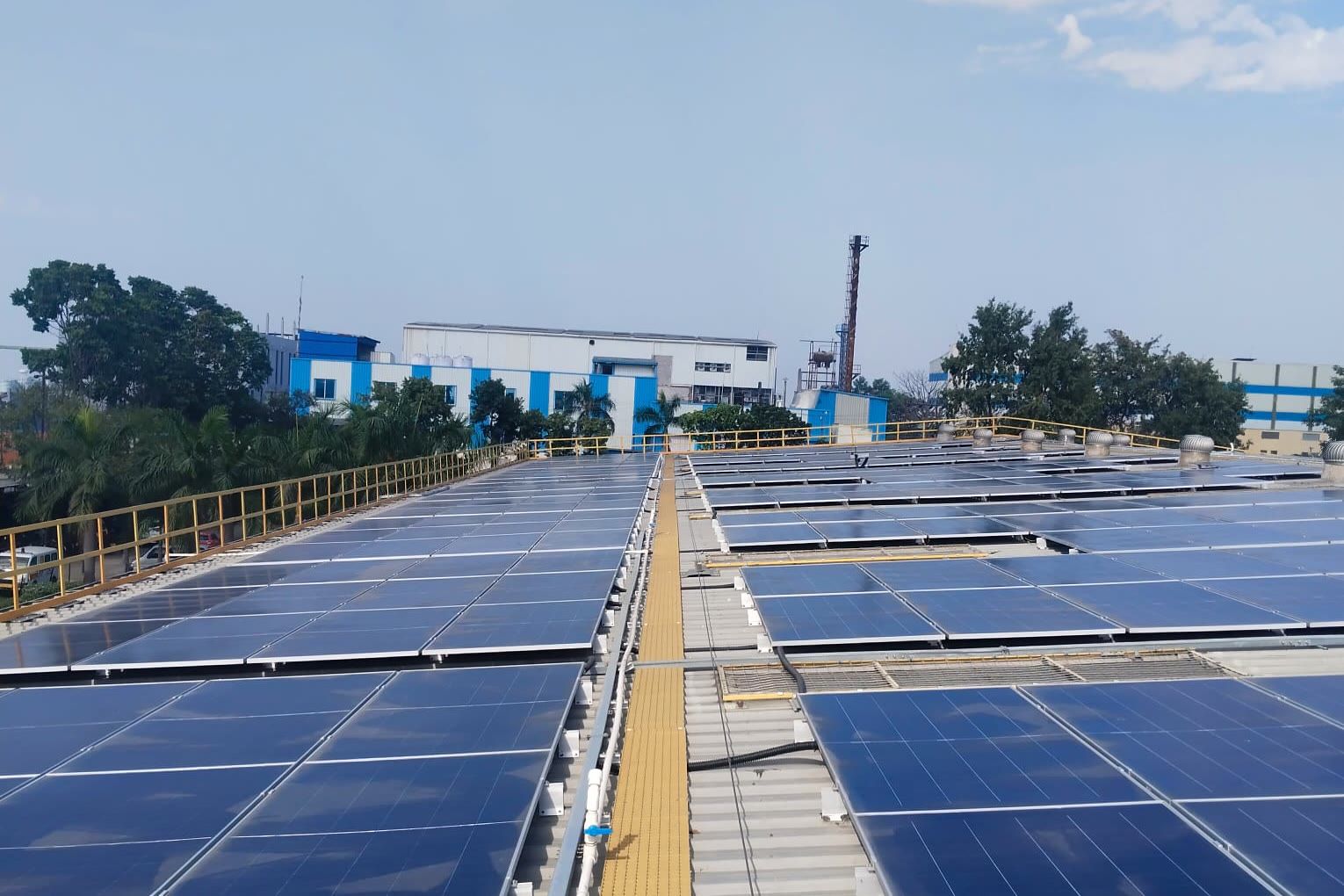
Britannia – Bihta
Bihar
Commissioned Nov 2025
- 1,410 kWp
Samruddhi Industries – Kolhapur
Maharashtra
Commissioned Sep 2025
- 1,300 kWp
Shrotra Enterprises – Sarigam
Gujarat
Commissioned Aug 2025
- 1,238 kWp
Atomberg – Pune
Maharashtra
Commissioned Jun 2024
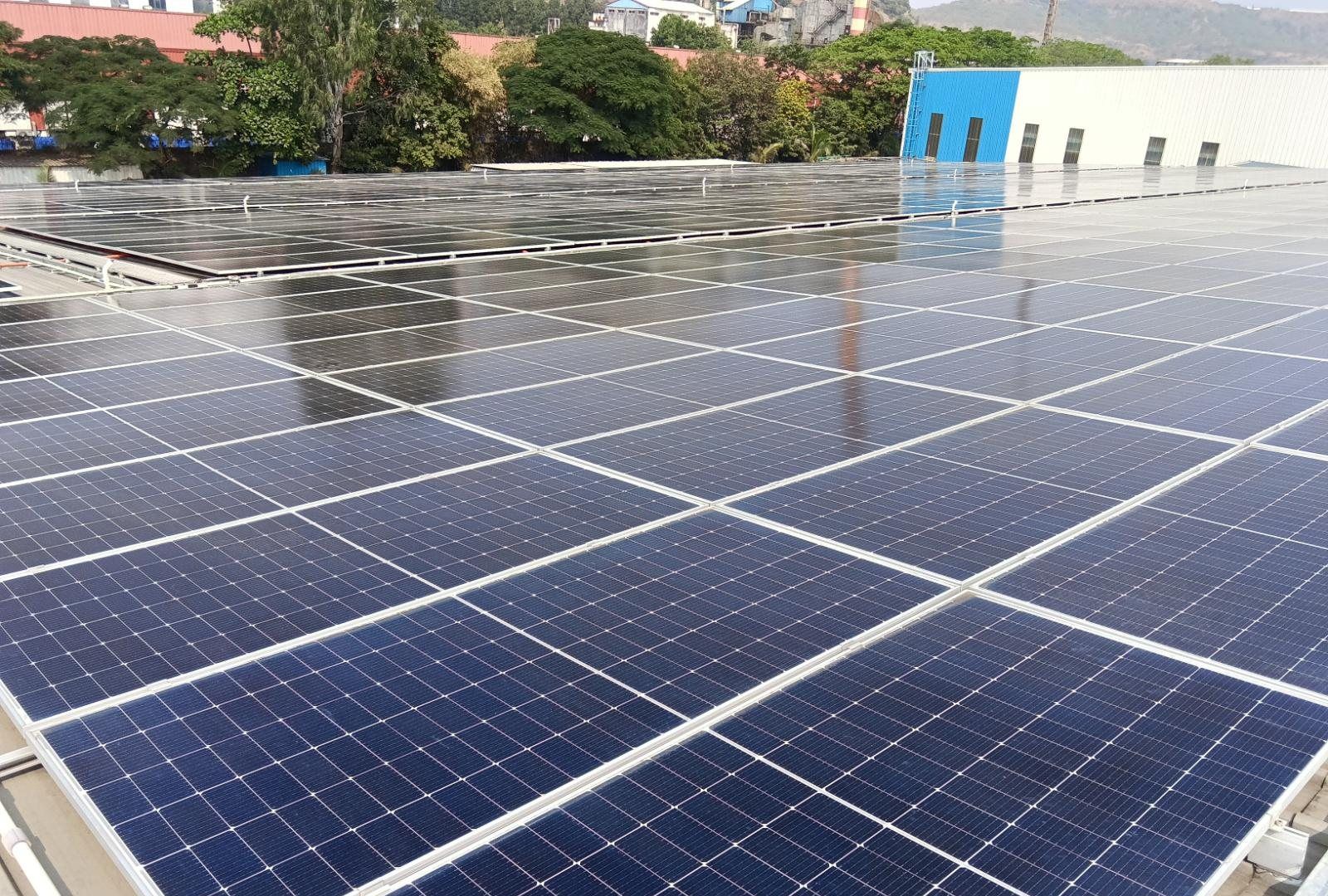
Radiant Indus Chem – Aurangabad
Maharashtra
Commissioned Dec 2024
Common questions
Buying the plant: IRR, payback, brands and upkeep
Your own figures come from the feasibility study, modelled on GreenAdhvanik.
Compare CAPEX and PPA for your factoryWhat IRR can we expect on a CAPEX plant?
Our CAPEX projects return 25%+ IRR. A Pune plant returned 50%+ IRR and paid back in under 2 years. Your IRR depends on your tariff, roof and daytime load, and the feasibility study models it for your site.
How quickly does a CAPEX plant pay back?
It depends mostly on your tariff and your daytime load: a higher tariff and heavier daytime use shorten it. The feasibility study projects payback for your roof.
What components go into the plant?
We use tier-one components, specified plant by plant: N-type TOPCon modules, string inverters sized to the array, and cables, switchgear, structure and earthing to the same standard. We are not tied to any one maker. The exact makes and ratings for your plant are set out in your technical proposal.
How long does it take to build?
Typical plant delivery is 90–100 days. One team handles design, procurement, installation and commissioning, tracked on Adhvanik Central, our project ERP.
What if our roof cannot carry a plant?
The feasibility study will tell you. Ground-mount solar on unused land inside your plant boundary or open access solar wheeled from an offsite plant can serve the same load.
Guides and glossary
Guides on payback and accelerated depreciation
- CAPEX or PPA: which solar model fits your factory?Read the guide
- How rooftop solar pays back for Indian industryRead the guide
Terms used on this page
Free feasibility study
See your CAPEX IRR before you commit
The feasibility study is free, takes 7 days and carries no commitment. An engineer replies within 48 hours.
What the study covers
- Financial ROI sheet based on a preliminary design
- Roof feasibility and the area available for installation
- Budgetary quote