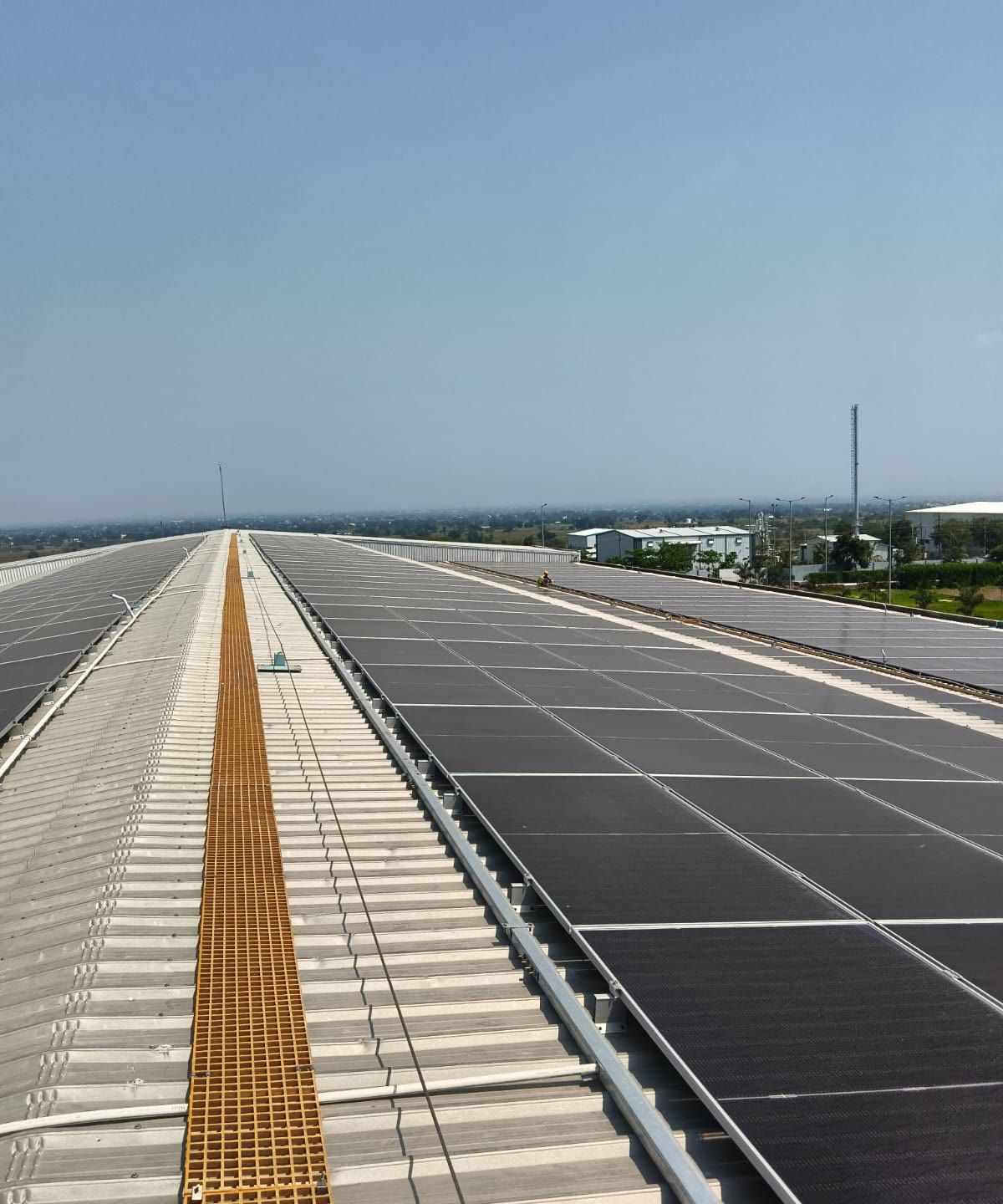
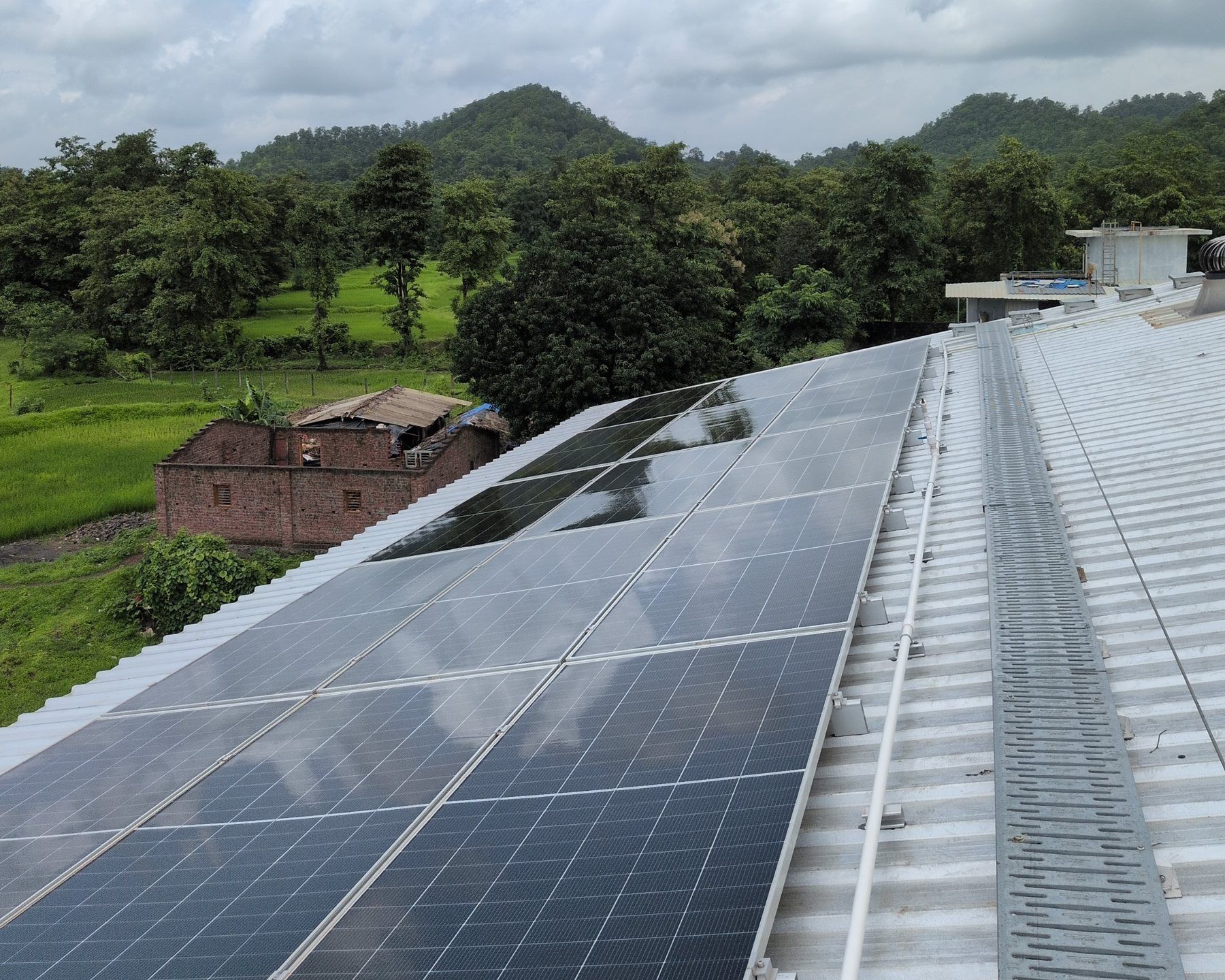
For Mahyco at Buldhana, Adhvanik Energy sized a rooftop plant against five years of load data, because the site’s demand peaks for only part of the year.
Seed processing follows the harvest. At Buldhana the heavy load runs from August to November, when the season’s seed is processed and packed. For the rest of the year the site draws much less.
Size the plant to the peak and much of its output in the quiet months has nowhere useful to go. Size it to the quiet months and the season’s demand stays on the grid. Neither is right by default, and one year of bills is not enough to tell the difference.
Between seasons the site still draws a base load. That base load sets the floor for how much solar the site can use in every month of the year, and the season decides how far above that floor the plant can usefully go.
The solution
How the plant was engineered
Five years of load data
Instead of a single year’s bills, the plant was sized against five years of consumption, which shows how the season moves from one year to the next.
Two curves, matched
Solar output in India dips in the monsoon months, which overlap the start of the processing season. The sizing had to account for both curves at once, month by month.
Metal sheet rooftop
The plant sits on the site’s metal sheet roofs, with a structure designed for the wind speed under IS 875, as applicable.
Extra module capacity for monsoon days
621 kWp of modules feed 475 kW of inverter capacity. On hazy and overcast monsoon days, when the processing season begins, the extra module capacity keeps the inverters working closer to their rating.
Implementation
How it was delivered
Adhvanik designed, procured, built and commissioned the Buldhana plant and handed it over to Mahyco.
After handover, the owner can place the plant under our O&M contract, which can run up to 25 years.
Finance model
The client owns the plant (CAPEX)
Mahyco owns the plant under CAPEX. With a seasonal load, ownership pays off when the sizing is right: the plant earns on the units the site uses, so the five-year view of demand matters more than the size of the roof.
A plant sized this way is also easier to extend. If the season grows, more capacity can be added against the same load history.