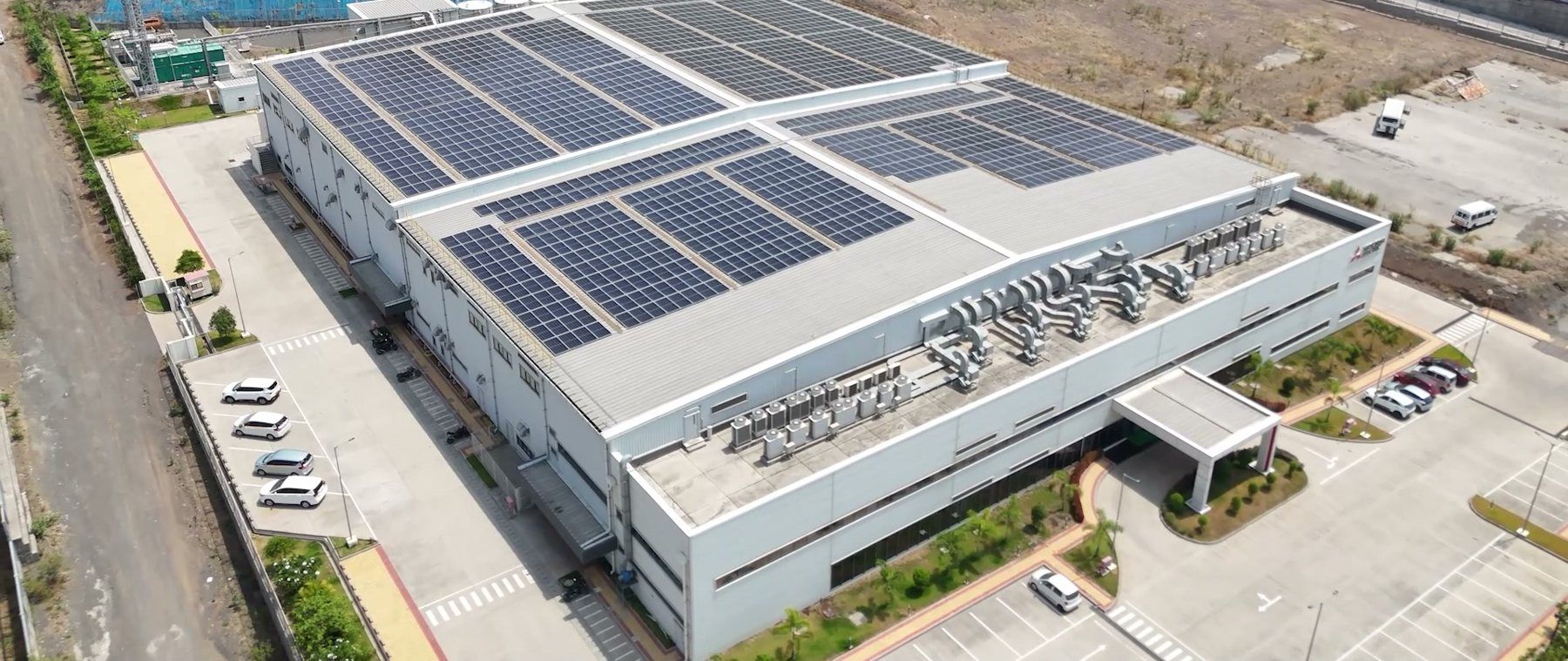
The challenge
Matching plant size to a daytime-heavy load
Atomberg makes energy-efficient fans and appliances, and its Pune plant draws most of its power during the day shifts. With a load like that, most of the solar output can be used on site, which is where solar is worth the most.
The risk is sizing by roof area alone. A plant that is too big for the daytime load pushes its surplus onto the grid, where each unit earns less under the export rules. A plant that is too small leaves savings on the roof. Either way the return drifts away from what the site could have earned.
On a large metal sheet roof it is tempting to fill every bay with modules. The better question is how many units the factory can absorb, hour by hour, on a working day and on a holiday. That answer comes from the load and not from the roof.
Time was the other constraint. Atomberg wanted the plant built within 60 days, so it could claim income tax depreciation on it in that financial year. Adhvanik delivered within that window.
The solution
How the plant was engineered
Sized against the load
The plant was sized against the factory’s daytime consumption rather than the area available, so most of the generation is used on site.
String inverters throughout
Each string inverter handles a small group of module strings. A fault or a shaded section affects only that group, and a failed unit can be replaced from spares while the rest of the plant keeps generating.
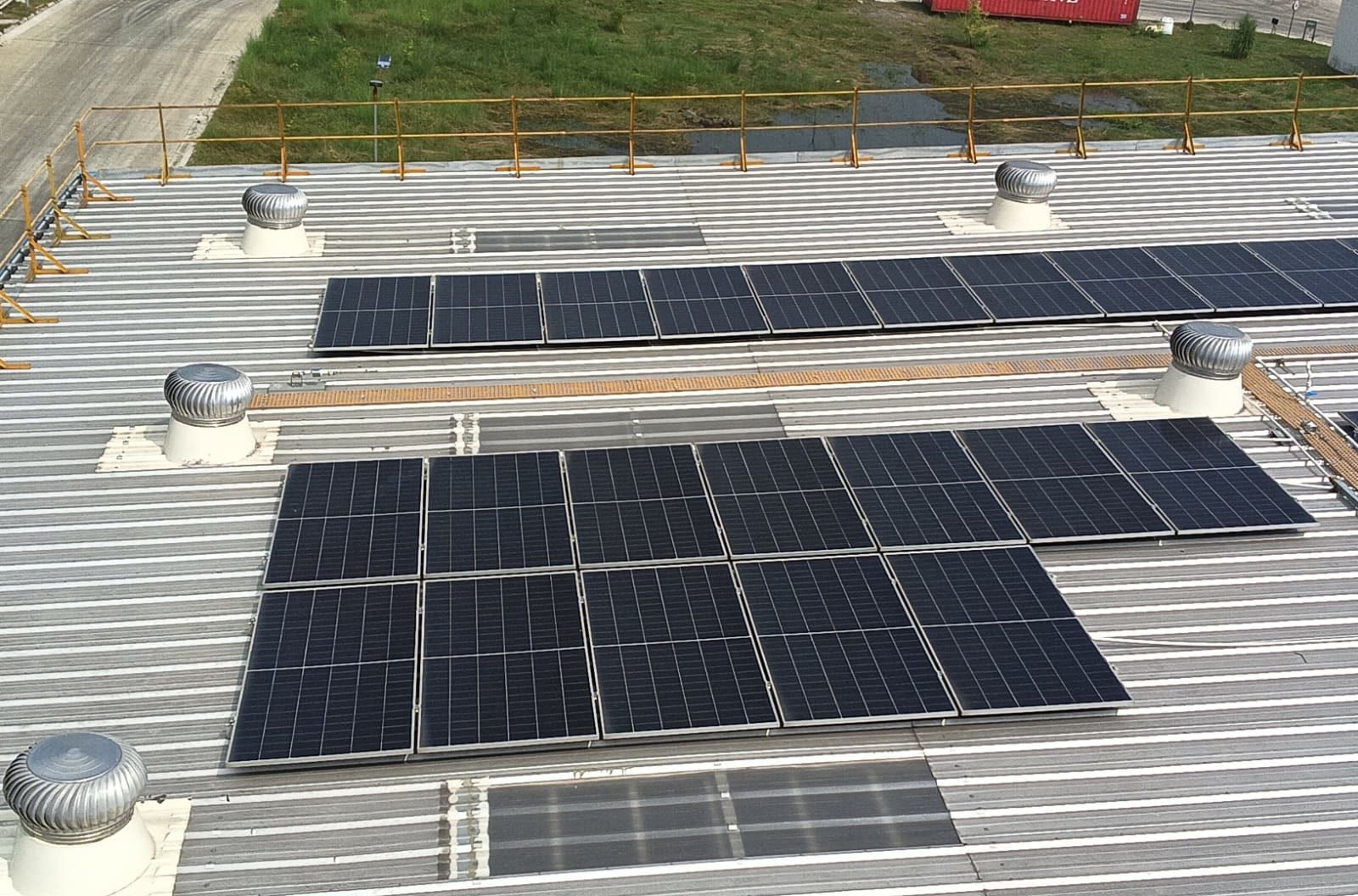
Built for a metal sheet roof
The structure is designed for the wind speed under IS 875, with walkways laid out so every row can be reached for cleaning and inspection.
Modules matched to inverters
1,238 kWp of modules feed 975 kW of inverter capacity. Loading the inverters above their AC rating keeps the plant near full output through the morning and afternoon shifts, at the cost of a little clipping around noon on the clearest days.
Implementation
How it was delivered
Adhvanik designed, procured, built and commissioned the Khed plant and handed it over to Atomberg Technologies.
After handover, the owner can place the plant under our O&M contract, which can run up to 25 years.
Finance model
The client owns the plant (CAPEX)
Atomberg owns the plant under CAPEX. With steady daytime demand, ownership captures the saving on every unit the factory uses, for the life of the plant.
The size of that saving depends on the factory’s tariff and on how much of the output it uses, which is why the load study came before the layout.
Results
Atomberg Technologies plants on our published list
Main equipment: Panasonic 550 Wp modules and Sungrow 125 kW inverters.
| Plant | Location | Roof / configuration | Finance model | Capacity | Commissioned |
|---|---|---|---|---|---|
| Atomberg – Pune | Pune, Maharashtra | Metal sheet roof | CAPEX | 1,238 kWp | Jun 2024 |
Performance
Two years of operation
The plant has run for two years and is among the best performing plants in Adhvanik’s portfolio for generation output.
- Generation above Adhvanik’s target, on an absolute basis
- 14%
| Year | Performance ratio | Machine availability |
|---|---|---|
| Year 1 | 86% | 99% |
| Year 2 | 80.4% | 99% |
Despite grid outages
The site has a lot of grid-down time, and the plant cannot run while the grid is down. With no grid-down time, generation could have been about 10% higher still.
Does this match your site?
This approach fits if
- Your plant runs mostly day shifts
- You have a large metal sheet roof
- You want the plant to keep generating when one inverter is down
Related pages